
Withdrawal Symptoms, Detox, and Treatment for Desyrel Addiction
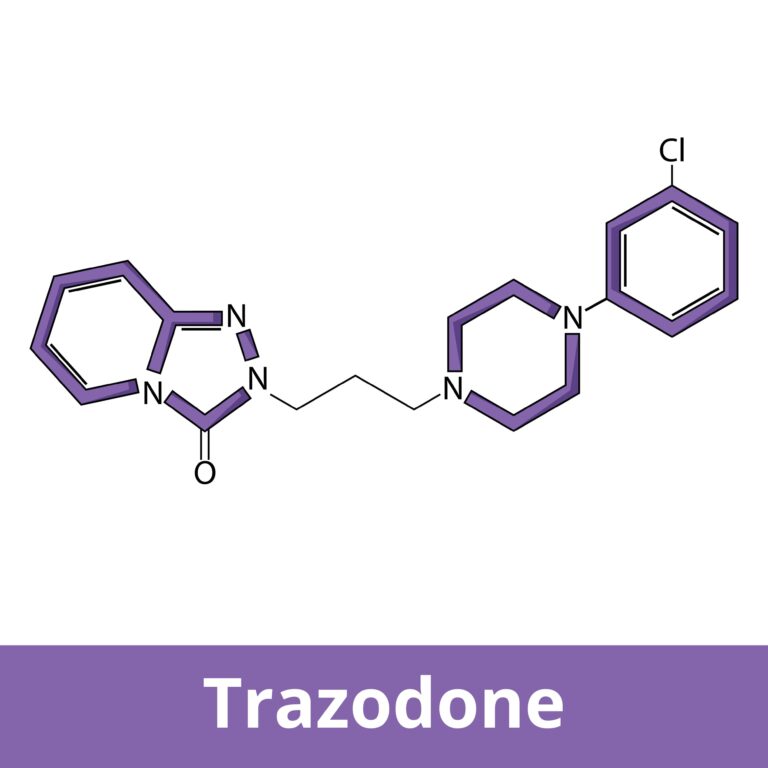
Desyrel, known generically as trazodone, is prescribed to help with depression and insomnia. But despite its therapeutic use, some people find themselves struggling with dependence or misuse. If you’re reading this, you may be asking: What happens when someone stops taking Desyrel, can it be dangerous, and how do you recover safely? In this article we’ll walk through what’s real—no fluff—about withdrawal, detox, and treatment for Desyrel use, and how virtual rehab in Wisconsin or online rehab in Wisconsin might fit into recovery for folks in Wisconsin drug rehab settings.
Can You Drink on Desyrel?
Mixing alcohol with Desyrel is risky. Trazodone already acts as a sedating antidepressant, and alcohol amplifies that sedation, which can lead to drowsiness, dizziness, slowed breathing, or even blackouts. The combination may also worsen mood swings or impair judgment. Some people might be tempted to drink thinking it boosts the “calming” effects, but in practice it increases danger—especially when driving or doing daily tasks. If you’re in Wisconsin rehab or considering Wisconsin drug rehab, it’s safest to avoid alcohol entirely during treatment. If you’re exploring how to find treatment, mention your alcohol use when you talk to intake staff so they can guide you safely.
Effects On Mental Health While Taking Desyrel
Desyrel is often prescribed to stabilize mood, improve sleep, and ease depressive symptoms. For many people it works well under supervision. But side effects happen. Some patients experience dizziness, headaches, dry mouth, or blurred vision. In rare cases, it may worsen suicidal thoughts, especially early in treatment or when doses change.
Long-term use might dull emotional responsiveness for some, making it harder to feel joy or sadness fully. If someone is dealing with anxiety or bipolar disorder, taking trazodone alone might not be enough; in those situations more tailored mental health programs are often necessary. Being on Desyrel can mask underlying issues, so any signs of worsening mood, emotional flatness, or increased negative thinking should prompt a conversation with a clinician.
Because the brain adapts to trazodone’s influence on serotonin receptors, quitting or changing the dose can provoke mental health challenges. That’s why people withdrawing often feel anxiety, irritability, or depressive symptoms—even if those weren’t present earlier.
Can You Overdose on Desyrel?
Yes, overdosing on Desyrel is possible. While trazodone isn’t categorized with high-risk substances like opioids, taking too much may cause serious effects like cardiac arrhythmias (irregular heartbeat), low blood pressure, seizures, or serotonin syndrome (if combined with other serotonin-altering drugs). Signs of overdose include confusion, fainting, rapid heart rate, tremors, and loss of consciousness. In an overdose scenario, it’s essential to seek emergency care immediately.
Because it affects multiple systems—brain chemistry, heart rhythm, blood pressure—the margin of safety narrows when people take high doses or mix it with other medications or substances. So yes, in treatment or withdrawal planning at a Wisconsin rehab, overdose risk must be taken seriously.

How Do You Detox From Desyrel?
Detoxing from Desyrel is not about “flushing” the drug—it’s about easing your body (and brain) off it safely. In clinical practice, detox often involves a slow taper rather than abrupt stopping. Research shows even gradual tapering can still produce withdrawal symptoms, so the pace must be personalized.
A medical team will assess your health (cardiac, liver, mental) and design a taper schedule. They may reduce your dose in small increments over weeks or months, depending on how long you’ve taken Desyrel and at what dose. During the taper, symptom management may include supportive care—hydration, nutrition, sleep aids (non-drug when feasible), and sometimes short-term medications to address specific symptoms.
Because withdrawal from antidepressants falls under “antidepressant discontinuation syndrome,” symptoms like dizziness, nausea, “brain zaps,” insomnia, irritability, and mood shifts can arise. Giving your brain time to readjust is key. Some people call this a “rewiring” phase.
Monitoring is essential. At a virtual rehab in Wisconsin or online rehab in Wisconsin program, you might do regular check-ins with clinicians who watch your vitals and mental state. Detox is just the start; once you’re medically stable, continuing therapy—behavioral support, counseling, relapse prevention—is what turns detox into recovery. If you’re weighing not losing your job in rehab, programs that combine virtual and in-person care may offer flexibility so you can maintain commitments while you detox and stabilize.
Treatment isn’t what you think it is.
If you’re navigating alcoholism, addiction, and co-occurring disorders, there is a solution. Reach out for a free, confidential conversation and we’ll answer any questions you have.
Frequently Asked Questions
Is Desyrel truly "addictive"?
Desyrel isn’t classed like classic addictive substances, but dependence—especially psychological—can develop in people who use it for a long time or misuse it. Abrupt stopping may cause withdrawal symptoms.
How long do withdrawal symptoms last?
Most people see the worst symptoms in the first week, with gradual improvement over several weeks. But emotional effects can linger. Some individuals report symptoms persisting for months if tapering is too fast.
Can I detox at home safely?
That depends on how high your dose is, how long you’ve used it, and your mental and physical health. Some cases may be managed with outpatient supervision, but many benefit from medically supervised detox in a clinical or virtual rehab setting.
Will I need another antidepressant after detox?
Maybe—or maybe not. Sometimes, mental health providers transition people to a different antidepressant or supportive therapy. Each case is different. If you already need mood stabilization, a plan may include something new.
What kind of treatment works after detox?
Behavioral therapy, counseling, peer support, and relapse prevention are the backbone. In Wisconsin rehab settings—whether virtual or in-person—you’ll want a holistic plan that addresses life skills, mental health, and sustainable coping.
Recovery Starts Today
Madison Recovery Center is committed to supporting the Madison and surrounding communities with flexible, comprehensive outpatient treatment options for drug rehab. Remember, you don’t have to face this journey alone. Reach out for a free, confidential conversation today, and we’ll answer any questions you may have.
