
Withdrawal Symptoms, Detox, and Treatment for Depakote Addiction

Depakote, a medication commonly prescribed for bipolar disorder, epilepsy, and certain mood disorders, can help stabilize emotions and prevent seizures when used correctly. But dependence on Depakote can quietly build over time, and when someone tries to quit, the body often reacts in ways that make stopping it difficult without medical guidance. Understanding withdrawal, detox, and treatment options is an important step toward recovery—especially with modern programs like virtual rehab in Wisconsin that allow people to heal while keeping life moving forward.
Can You Drink on Depakote?
Mixing alcohol with Depakote is risky and can amplify the medication’s sedative effects. Both substances target the central nervous system, and together they can cause dizziness, drowsiness, and slowed reaction times. More concerning, the combination can place serious stress on the liver, since both Depakote and alcohol are metabolized there. Regular drinking while taking Depakote can increase the risk of liver damage, pancreatitis, or even internal bleeding.
Even one drink can be unpredictable for someone on Depakote, especially if the dosage is high or combined with other medications. That’s why most medical professionals advise against drinking entirely while taking it. For anyone in Wisconsin managing mood or seizure disorders, it’s best to talk with a physician before consuming alcohol. If drinking has become a coping mechanism, treatment programs like Wisconsin rehab or online rehab in Wisconsin can offer safer, healthier support systems for emotional regulation and stress management.
Effects on Mental Health While Taking Depakote
Depakote is known for balancing intense mood swings and calming hyperactivity in the brain. When it’s working as prescribed, it can reduce manic episodes and stabilize depressive lows. But for some individuals, long-term use can also trigger changes in how they feel and think. Emotional numbness, fatigue, or irritability are sometimes reported side effects.
Because Depakote alters neurotransmitter activity, sudden dosage changes or misuse can destabilize mental health. People may experience heightened anxiety, depressive symptoms, or confusion. If this happens, it’s not a sign of weakness—it’s a signal that the medication or its dosage might need adjustment.
At treatment centers in Wisconsin, professionals monitor both mental and physical changes during detox or medication tapering. This integrated approach ensures safety while addressing co-occurring disorders like depression or anxiety. For those exploring finding online treatment in Wisconsin, telehealth therapy can provide consistent support from licensed clinicians without leaving home.
Can You Overdose on Depakote?
Yes, overdose is possible and can be life-threatening. Because Depakote affects liver metabolism and brain chemistry, taking too much can lead to toxic levels in the bloodstream. Signs of overdose include extreme drowsiness, confusion, vomiting, tremors, and, in severe cases, loss of consciousness or respiratory distress.
An overdose often requires immediate medical attention, and long-term complications can include organ damage if left untreated. That’s why anyone feeling out of control with their medication—whether taking more than prescribed or struggling to cut back—should seek professional help right away. Wisconsin drug rehab programs can assist in stabilizing medication use and preventing relapse.
How Do You Detox From Depakote?
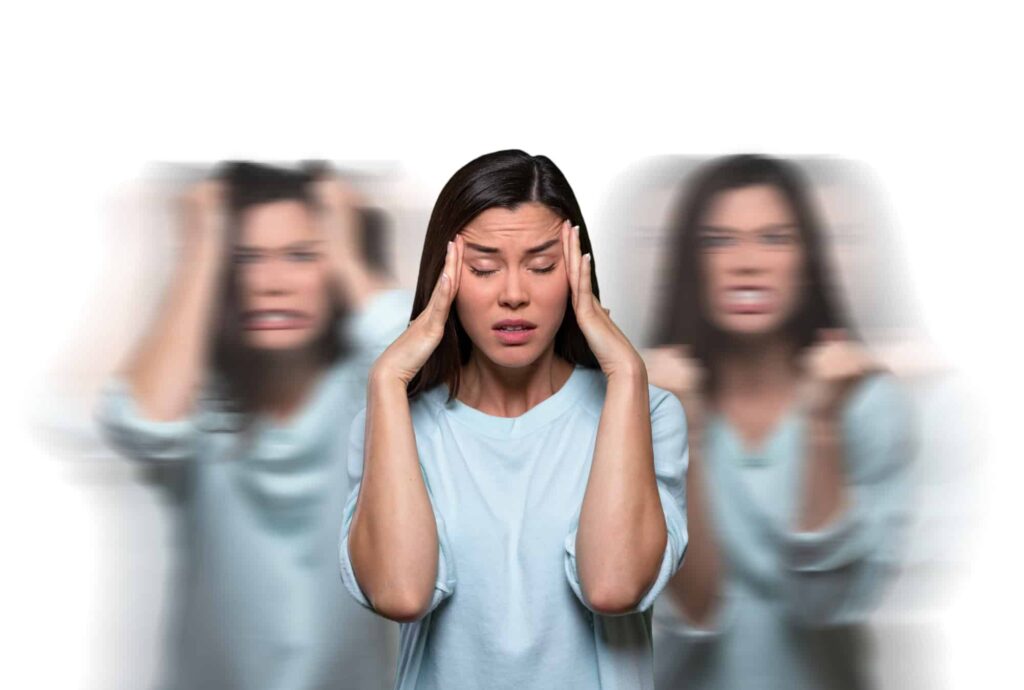
Detoxing from Depakote is not something to attempt alone. Because the drug affects mood regulation and neurological activity, stopping suddenly can lead to withdrawal symptoms such as irritability, tremors, nausea, insomnia, and emotional instability. The safest method is a gradual taper supervised by medical professionals.
In supervised detox settings, specialists slowly lower the dosage to allow the body to adjust. This controlled process reduces withdrawal severity and ensures that other medications or supplements are used safely during the transition. Some individuals experience mild side effects that fade within a few weeks, while others may need more time for their systems to recalibrate.
For those needing flexible care, virtual rehab in Wisconsin or online rehab in Wisconsin can guide this detox process remotely, helping patients maintain privacy and stability while accessing expert support. These programs are particularly helpful for anyone worried about keeping your job while in rehab, as telehealth sessions can be scheduled around work hours.
Treatment for Antipsychotic & Mood Stabilizer Addiction
Recovering from dependence on medications like Depakote involves more than detox—it’s about retraining the brain and rebuilding daily life. Therapy plays a major role, helping individuals understand the emotional patterns behind their medication use. Cognitive behavioral therapy (CBT), group sessions, and dual-diagnosis treatment are common components of comprehensive care.
Wisconsin rehab centers provide individualized plans that include both medical supervision and emotional support. Many clients transition from detox to ongoing therapy or outpatient programs that emphasize long-term recovery skills. Those who live outside the immediate area can access online rehab in Wisconsin or explore resources in Dubuque or Cedar Rapids, where nearby support networks can complement ongoing care.
The most successful outcomes often come from blending accountability, medical oversight, and personal connection. Whether treatment takes place in person or through telehealth, the goal remains the same: restoring mental clarity, physical balance, and a sense of peace that medication misuse can quietly erode.
Treatment isn’t what you think it is.
If you’re navigating alcoholism, addiction, and co-occurring disorders, there is a solution. Reach out for a free, confidential conversation and we’ll answer any questions you have.
Frequently Asked Questions
What are common withdrawal symptoms from Depakote?
People may experience irritability, tremors, nausea, restlessness, and mood swings as their bodies adjust to the absence of the medication.
How long does Depakote withdrawal last?
Duration varies depending on how long someone has taken the medication and at what dose. For most, physical symptoms fade within a few weeks, but emotional stabilization can take longer.
Is it safe to stop Depakote cold turkey?
No. Abruptly quitting Depakote can cause severe withdrawal effects or seizure recurrence. Always taper under medical supervision.
Can therapy help with Depakote dependence?
Yes. Cognitive behavioral therapy and dual-diagnosis treatment address both emotional and behavioral aspects of dependence.
Are there flexible rehab options in Wisconsin?
Absolutely. Wisconsin drug rehab programs now include hybrid and telehealth options that make recovery accessible for people balancing family or work obligations.
A Renewed Start
Recovery from Depakote addiction isn’t about undoing the past—it’s about reclaiming balance and confidence. With medical guidance and compassionate care through Wisconsin-based programs, healing becomes not just possible, but practical. Support is out there, whether through in-person centers or online rehab in Wisconsin, offering the chance to live fully again with clarity and peace.
Recovery Starts Today
Madison Recovery Center is committed to supporting the Madison and surrounding communities with flexible, comprehensive outpatient treatment options for drug rehab. Remember, you don’t have to face this journey alone. Reach out for a free, confidential conversation today, and we’ll answer any questions you may have.
