
FMLA & Substance Use Leave Information for Wisconsin

When you’re facing addiction, the idea of taking time off work can feel overwhelming. You might wonder if you’ll lose your job, how to talk to your employer, or if anyone will understand. But here’s the truth: seeking help for substance use is a valid reason to take medical leave—and there are laws that protect you. If you’re in Wisconsin, you may be eligible for FMLA (Family and Medical Leave Act) to address your substance use and begin your healing journey.
Let’s break down how FMLA in Wisconsin works—and how Madison Recovery Center can support you every step of the way.
What Is FMLA and How Does It Apply to Addiction?
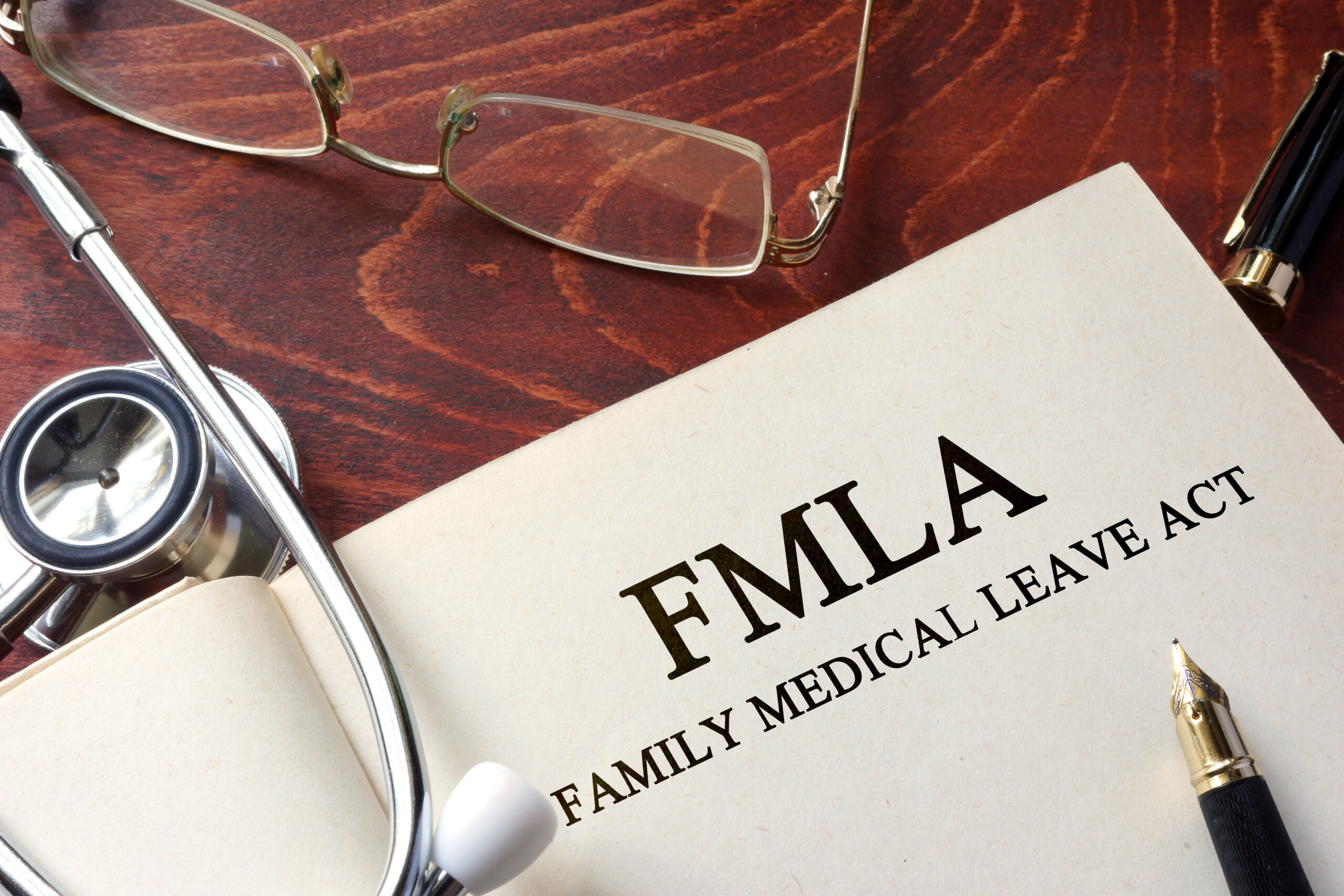
The Family and Medical Leave Act (FMLA) is a federal law that gives eligible employees the right to take up to 12 weeks of unpaid, job-protected leave per year for a serious health condition—which includes substance use disorders.
If you’re struggling with addiction and need time to enter treatment, FMLA Wisconsin laws protect your job while you focus on your health.
To qualify, you must:
Work for a covered employer (like a private company with 50+ employees within 75 miles)
Have worked for your employer for at least 12 months
Have clocked at least 1,250 hours in the past year
Substance use disorder is recognized as a serious health condition under FMLA, especially when treatment is provided by or under the supervision of a healthcare provider.
Can I Really Take Medical Leave for Addiction?
Yes. If you’re entering a rehab program like ours, you can take medical leave for your own serious health condition—and your job will be protected under the law.
That means you can participate in outpatient treatment, including our virtual IOP (Intensive Outpatient Program) or in-person care, without fear of losing your position. When your leave ends, your employer is required to return you to the same or equivalent position.
This is about healing—not hiding. You don’t have to pretend everything’s fine when it isn’t.
Madison Recovery Center: Your Partner in Recovery
At Madison Recovery Center, we understand how hard it can be to ask for help. That’s why we offer flexible outpatient programs, including online rehab in Wisconsin, so you can get the support you need in a way that works for your life.
Whether you’re dealing with substance use, mental health conditions, or both, our team is here to walk with you. Our licensed professionals provide compassionate, evidence-based care for:
Drug and alcohol addiction
Anxiety, depression, and trauma
Co-occurring mental health challenges
Post-treatment support and relapse prevention
We can even work with you and your provider to help you prepare any necessary documentation for your medical leave request.
What Else Should I Know About FMLA in Wisconsin?
In addition to the federal Medical Leave Act, Wisconsin law provides further protections through the Wisconsin Family and Medical Leave Act, which may apply even if FMLA doesn’t.
You may also be eligible for leave if you’re caring for a domestic partner, family member, or serving as a military caregiver.
Here are a few more important things to know:
- You must provide notice in a reasonable and practicable manner
- Your employer must maintain your health insurance during leave
- FMLA does not cover paid leave—but you may be able to use accrued PTO
- If you’re part of a collective bargaining agreement, additional rights may apply
You don’t need to navigate this alone. We’re here to help you work through the details, understand your rights and take the next step toward wellness.
You Deserve the Time to Heal
If you’re struggling with addiction, taking a leave of absence can feel scary—but it might be the most important thing you ever do. At Madison Recovery Center, we believe everyone deserves the chance to heal with dignity, support, and expert care.
Let’s take the next step together.
Reach out today to learn more about our programs, including virtual IOP in Wisconsin, and how we can support you on medical leave.
Treatment isn’t what you think it is.
If you’re navigating alcoholism, addiction, and co-occurring disorders, there is a solution. Reach out for a free, confidential conversation and we’ll answer any questions you have.
FAQs About Family and Medical Leave in Wisconsin
What is the Fair Labor Standards Act, and how is it different from FMLA?
The Fair Labor Standards Act (FLSA) is a federal law that governs things like minimum wage, overtime pay, and child labor. It’s different from the Family and Medical Leave Act (FMLA), which provides job-protected unpaid leave for serious health conditions—including substance use disorders. Both are important employment protections, but they cover different areas of workplace rights.
How does an employee qualify for FMLA?
To be eligible, an employee must work for a covered employer, have worked there for at least 12 months, and have clocked at least 1,250 hours in the last 12 months. This employee qualifies standard helps ensure that those using FMLA benefits have a consistent work history.
What counts as a serious health condition under FMLA?
A serious health condition can include chronic mental health conditions requiring inpatient care, or substance use disorders that require professional intervention. If you need treatment for drug or alcohol addiction, that can absolutely qualify under the federal FMLA.
What is military caregiver leave?
Military caregiver leave is a special provision under the FMLA that allows eligible employees to take up to 26 weeks of unpaid leave in a single 12-month period to care for a covered servicemember with a serious injury or illness.
Who determines employee eligibility for medical leave?
Employee eligibility is determined based on federal guidelines and employer status. In Wisconsin, both federal FMLA and Wisconsin family medical leave laws may apply, and employers typically verify eligibility using employment records and job status.
Is substance use disorder covered under the Family Medical Leave Act?
Yes. The Family Medical Leave Act allows eligible employees to take unpaid leave to address a substance use disorder, provided the treatment is overseen by a healthcare provider. This includes outpatient treatment programs like those offered by Madison Recovery Center.
Does the federal family leave law apply to addiction treatment?
Yes, federal family leave law (FMLA) applies to treatment for a serious health condition, which includes substance use disorders. If you’re entering a treatment program, this is considered a valid reason for FMLA leave.
Is FMLA considered unpaid leave?
Yes. FMLA is a form of unpaid leave, but it protects your job while you’re away. During that time, your employer must also maintain your health insurance coverage under the same terms.
How long can I take off work under FMLA?
Under the federal FMLA, eligible employees may take up to 12 weeks of unpaid leave. Wisconsin state law may also allow up to six weeks for a serious health condition and up to two weeks for caring for a domestic partner or parent.
Will I be able to return to the same position?
FMLA requires employers to return you to the same or an equivalent position once your leave is over. This means your pay, benefits, and responsibilities should be comparable to what you had before taking leave.
What happens to my employee benefits while I’m on leave?
While on FMLA leave, your employee benefits such as health insurance coverage must be maintained. Your employer is required to provide the same level of benefits you had before your leave started.
What are employee leave entitlements under FMLA?
Employee leave entitlements include up to 12 weeks of unpaid, job-protected leave per year for your own serious health condition, or to care for a family member. In cases of military caregiver leave, you may be eligible for extended time off—up to 26 weeks.
Can I use FMLA for a serious injury from substance use?
Yes. If you’ve experienced a serious injury as a result of drug or alcohol use and you are seeking treatment under the care of a healthcare provider, you may qualify for federal FMLA protections.
What if I need leave while a family member is on covered active duty?
The FMLA provides special protections for family members of service members on covered active duty. You may qualify for job-protected leave to handle qualifying exigencies related to their service.
Recovery Starts Today
Madison Recovery Center is committed to supporting the Madison and surrounding communities with flexible, comprehensive outpatient treatment options for drug rehab. Remember, you don’t have to face this journey alone. Reach out for a free, confidential conversation today, and we’ll answer any questions you may have.
