
Why Am I Craving Alcohol More on My Psychiatric Meds? Understanding the Link Between Alcohol and Psychiatric Medications
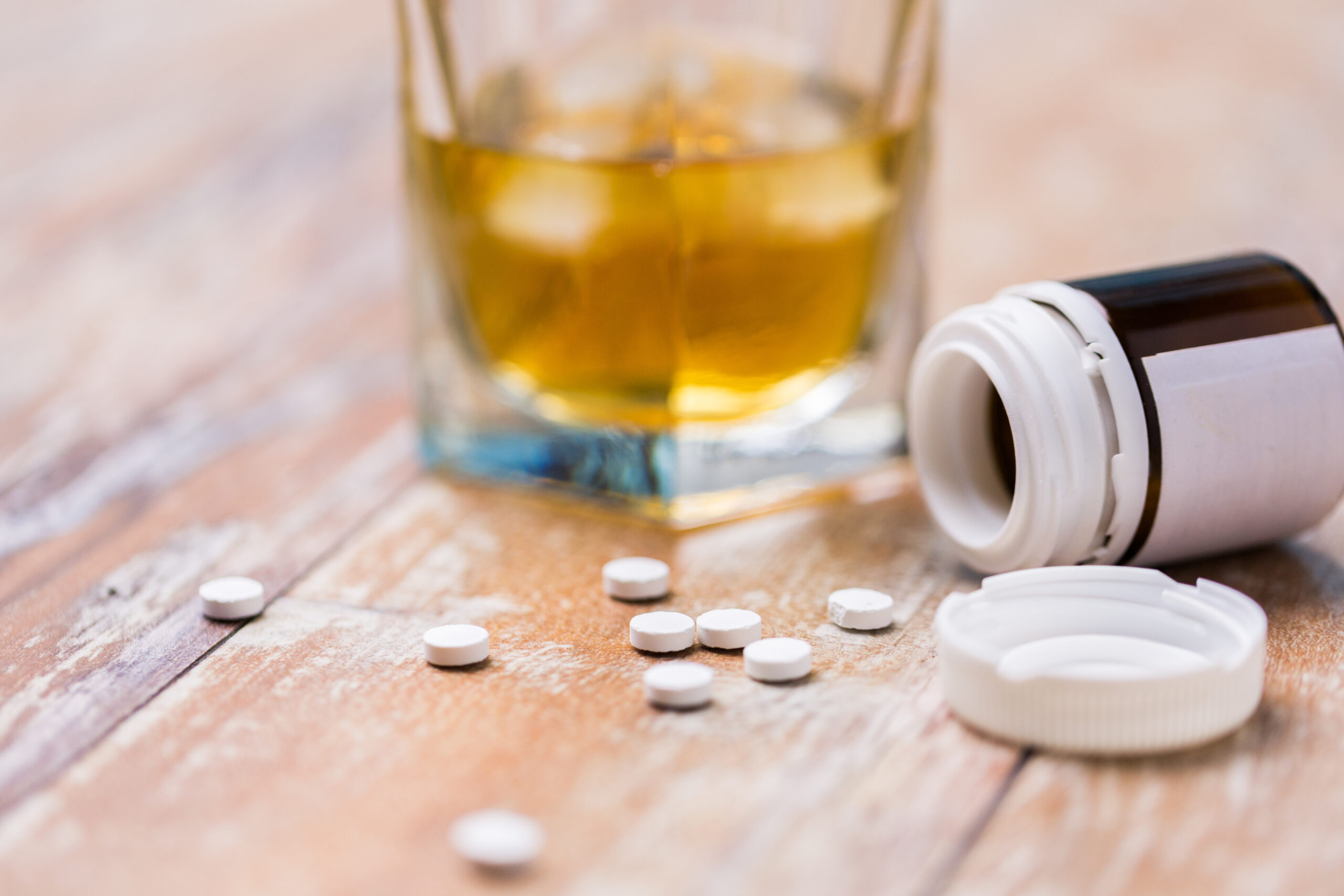
Whether for depression, anxiety, bipolar disorder, or other mental health conditions, psychiatric medications can be helpful, but a surprising and troubling side effect can occur: an increased craving for alcohol. If you’ve noticed yourself drinking more or thinking about alcohol more often since starting a new medication, you’re not alone. This article explores the connections between alcohol and psychiatric medications and provides insight into how Madison Recovery Center can help.
Understanding the Connection Between Alcohol and Psychiatric Medications
Psychiatric medications are designed to help balance chemicals in the brain. However, those same changes in brain chemistry can sometimes cause unexpected effects. Certain medications may alter dopamine and serotonin levels, which are closely tied to pleasure, mood, and reward. Alcohol also affects these same systems, which can lead to overlapping or even amplifying effects.
How Medications Can Influence the Brain’s Reward System
Antidepressants, antipsychotics, and mood stabilizers can all influence how the brain perceives pleasure. If a medication increases dopamine activity (or if it reduces it too much), your brain may seek out other sources of reward. For some, this might mean turning to alcohol. The brain may subconsciously “crave” alcohol to make up for the perceived chemical imbalance.
Common Psychiatric Medications That May Increase Alcohol Cravings
Not all medications have this effect, but certain types are more likely to contribute to cravings:
- SSRIs (Selective Serotonin Reuptake Inhibitors) like fluoxetine (Prozac) or sertraline (Zoloft) can sometimes increase impulsivity or emotional blunting, leading individuals to seek alcohol as a stimulant.
- SNRIs (Serotonin and Norepinephrine Reuptake Inhibitors) may alter appetite and reward systems.
- Atypical Antipsychotics such as olanzapine (Zyprexa) or quetiapine (Seroquel) may increase compulsive behaviors in some individuals.
- Mood Stabilizers like lamotrigine or valproic acid can impact emotional regulation, which may indirectly increase the temptation to drink.
- Benzodiazepines like Xanax or Ativan can heighten the risk of alcohol misuse, especially since both substances depress the central nervous system.
Emotional Factors That Play a Role in Alcohol Cravings
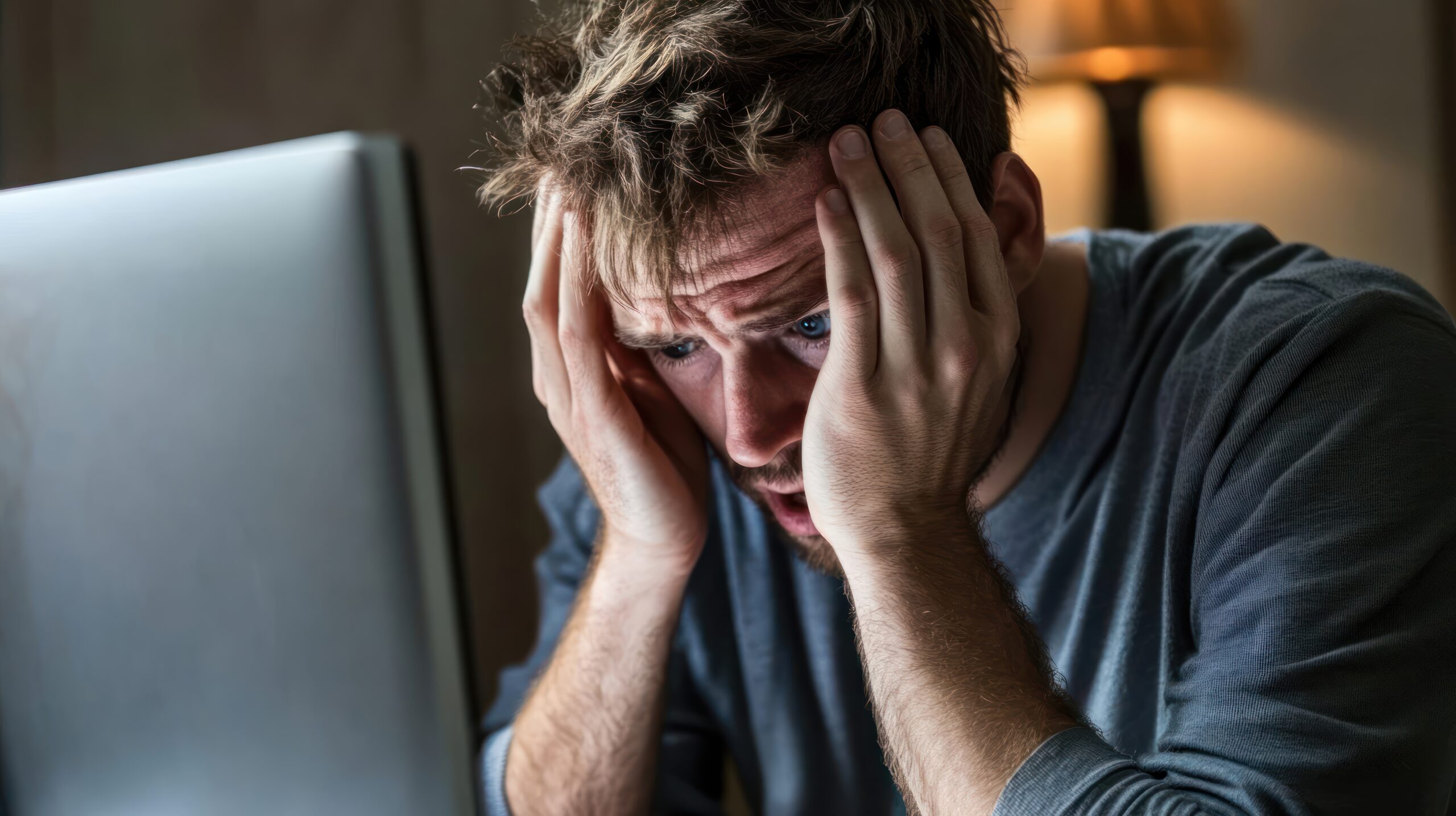
Aside from brain chemistry, emotional and psychological factors matter too. If you started psychiatric medication due to stress, depression, or trauma, you may already have a complicated relationship with substances. The following can also trigger cravings:
- Feelings of numbness or disconnection caused by medication
- Loneliness or isolation during treatment
- Desire for quick relief from emotional discomfort
- Lack of coping skills when facing new emotional challenges
Even if a medication is working well overall, these emotional side effects can lead to reaching for alcohol as a form of self-medication.
Mixing Alcohol and Psychiatric Medications Can Be Dangerous
It’s important to understand that alcohol and psychiatric medication do not mix well. Alcohol can reduce the effectiveness of your medication, intensify side effects, and in some cases, lead to dangerous health risks, such as:
- Increased sedation and fatigue
- Liver damage
- Worsened depression or anxiety
- Poor impulse control
- Higher risk of overdose
Drinking alcohol while taking psychiatric medications may offer temporary relief, but the long-term effects are harmful. That’s why noticing an increase in alcohol cravings should be addressed quickly and seriously.
What To Do If You’re Craving Alcohol More on Psychiatric Medications
If you’re experiencing increased cravings or challenges with psychiatric meds and alcohol, there are a few steps you can take:
- Speak With Your Prescribing Doctor – Let them know what you’re experiencing. They may adjust your dose, try a different medication, or refer you to a specialist.
- Track Your Triggers – Keep a journal of when cravings hit. Are they tied to certain moods, situations, or times of day?
- Find Healthy Replacements – Exercise, art, support groups, or hobbies can help fulfill your brain’s need for reward and stimulation.
- Don’t Ignore the Problem – Increased alcohol cravings can lead to relapse or new substance use issues. The earlier you get help, the better.
Madison Recovery Center Can Help You Regain Control
The Madison Recovery Center is an alcohol treatment center in Wisconsin that specializes in helping individuals who are dealing with co-occurring disorders, including mental health issues and substance use challenges that happen together. We understand the delicate balance of medication, emotions, and recovery.
Our experienced team provides:
- Dual diagnosis treatment that addresses both your mental health and your substance use
- Medication management to ensure your psychiatric meds are helping, not harming
- Therapeutic support, including CBT, trauma-informed therapy, and relapse prevention
- A compassionate environment that supports healing without judgment
You don’t have to manage struggles with alcohol and psychiatric medications on your own. If psychiatric meds are affecting your relationship with alcohol, we’re here to help you find balance again.
Final Thoughts on Alcohol and Psychiatric Medications: Listening to Your Body and Seeking Help
If you’ve asked yourself, “Why am I craving alcohol more on my psychiatric meds?”, that question alone shows that you’re self-aware and looking for answers. That’s a powerful first step. While medications can help improve mental health, they may sometimes come with side effects that need to be addressed with care and understanding.
Madison Recovery Center is here to guide you through that journey. Our acclaimed mental health treatment in Wisconsin supports individuals facing both mental health challenges and substance use issues. Reach out today to take the next step toward a healthier, more balanced life.
Treatment isn’t what you think it is.
If you’re navigating alcoholism, addiction, and co-occurring disorders, there is a solution. Reach out for a free, confidential conversation and we’ll answer any questions you have.
FAQs About Alcohol Cravings and Psychiatric Medications
Can certain vitamins or supplements reduce alcohol cravings while on psychiatric meds?
Yes, some supplements, such as L-glutamine, magnesium, B-complex vitamins, and N-acetylcysteine (NAC), have shown promise in reducing alcohol cravings. However, it’s crucial to consult your doctor before combining any supplements with psychiatric medications to avoid interactions.
Do cravings for alcohol mean my psychiatric medication isn't working?
Not necessarily. Cravings may be a side effect or part of your brain adjusting to new chemical changes. However, if you feel that cravings are interfering with your mental health progress, it’s important to speak with your prescriber to evaluate whether adjustments are needed.
Are there psychiatric medications that actually help reduce alcohol cravings?
Yes, some medications like naltrexone, acamprosate, and topiramate are specifically prescribed to reduce alcohol cravings and may be used alongside certain psychiatric medications. Only a qualified provider can determine if these are safe and effective for you.
How long after starting a psychiatric medication might alcohol cravings appear?
Cravings can appear within the first few weeks of starting or adjusting a medication, though timing varies. Some people may not notice increased cravings until they’ve been on medication for months. Consistent monitoring and reporting any changes to your doctor is key.
Can alcohol cravings return after stopping psychiatric medication?
Yes, if you stop taking psychiatric medication suddenly, especially without medical guidance, your brain chemistry may shift again, possibly triggering renewed cravings or emotional instability. Always taper alcohol and psychiatric medications under professional supervision.
Is it safe to drink "just a little" while on psychiatric medication?
Even small amounts of alcohol can interfere with psychiatric medications. What may seem like “just one drink” could still reduce the effectiveness of your meds, worsen side effects, or trigger addictive behaviors. It’s best to discuss alcohol use openly with your provider.
Do alcohol cravings while on psychiatric meds indicate a risk for addiction?
Cravings are a warning sign. While they don’t guarantee addiction will develop, they may suggest a higher vulnerability, especially if there’s a personal or family history of substance use. Addressing the issue early can prevent more serious outcomes.
Why do I crave alcohol but not other substances while on psychiatric medication?
Alcohol is legal, widely accessible, and often socially accepted, making it an easy target for self-soothing. Psychiatric medications may enhance this tendency by affecting the brain’s reward system, leading specifically to alcohol cravings over other drugs.
Recovery Starts Today
Madison Recovery Center is committed to supporting the Madison and surrounding communities with flexible, comprehensive outpatient treatment options for drug rehab. Remember, you don’t have to face this journey alone. Reach out for a free, confidential conversation today, and we’ll answer any questions you may have.
