
Beat Winter Depression in Wisconsin: How to Cope with Seasonal Affective Disorder
When the days grow short and the lake wind turns sharp, many people in Wisconsin feel their mood slip. You might be thinking to yourself, “Wisconsin winter is depressing,” and you’re not alone in feeling that way.
While it’s common to feel a little slower in midwinter, the change is deeper and more persistent for some. Seasonal affective disorder, often called SAD, is a form of depression that follows a seasonal pattern. The good news is that it is real, it is common in northern states, and it is treatable. This guide explains what SAD is, why it shows up so strongly in Wisconsin, and practical steps you can take to feel better.
Understanding Seasonal Affective Disorder in Wisconsin
Seasonal affective disorder is a type of depression that comes and goes with the seasons, most often beginning in late fall and easing in spring. People with SAD often notice low mood, heavy fatigue, oversleeping, difficulty focusing, and strong cravings for carbohydrates. You might feel less motivated, less social, and less interested in activities that usually matter to you. The pattern repeats each year, and the symptoms are more than “winter blues.” If your mood changes make it hard to work, study, or take care of yourself, it is worth getting evaluated.
Why Wisconsin Winters Make SAD More Common
Wisconsin sits far enough north that winter daylight is limited. Many days are overcast, and the cold keeps people indoors. Less sunlight can disrupt your body clock, increase melatonin production at the wrong times, and reduce the light exposure that helps regulate serotonin, a brain chemical tied to mood. Snow and ice also make outdoor routines harder.
When you combine less movement, less daylight, and more isolation, the risk for Wisconsin winter depression rises. This is not a personal failing. It is a biological and environmental challenge that many people here share.
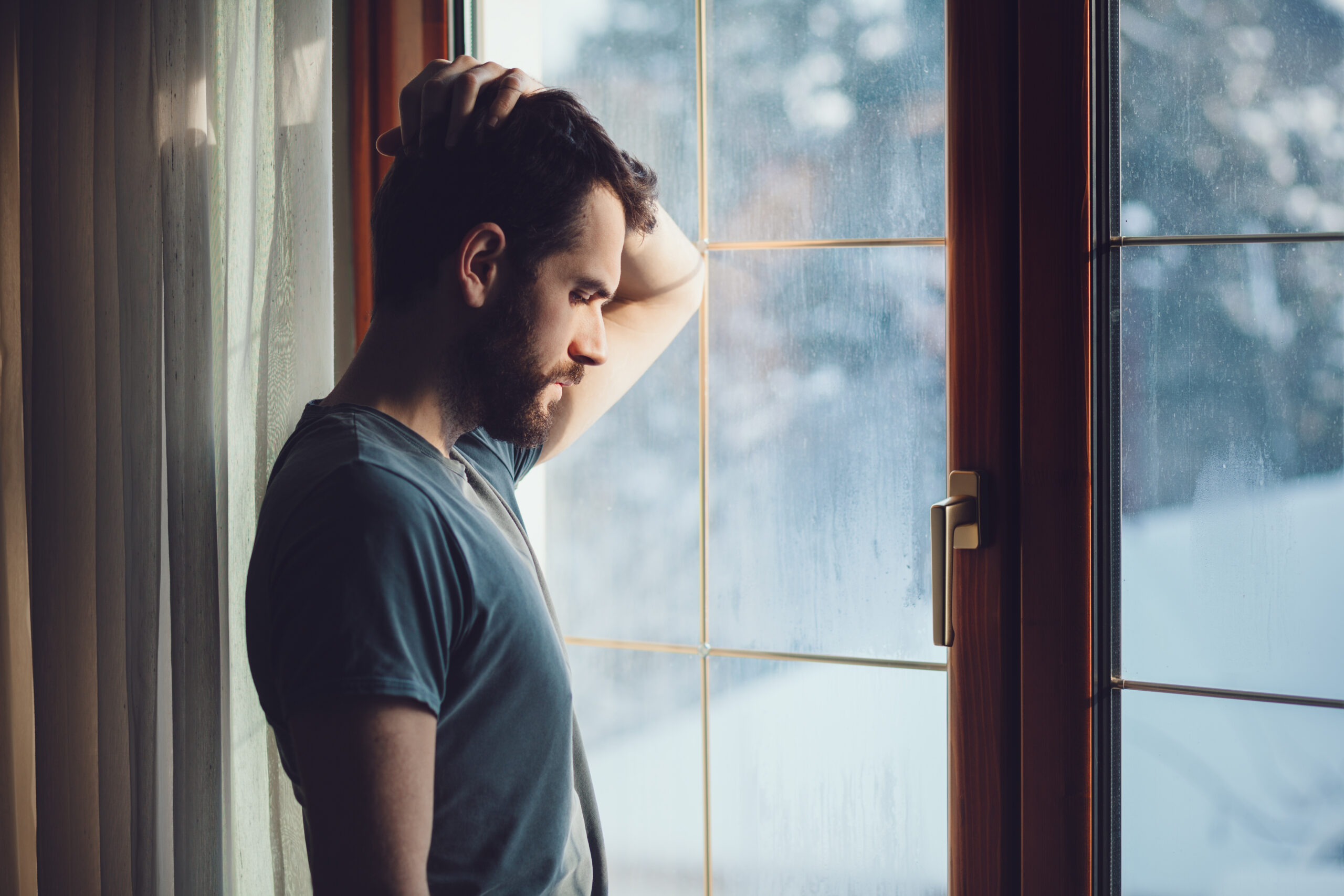
Recognizing the Symptoms of Winter Depression in Wisconsin
Do you tend to feel depressed during winter? Pay attention to how long symptoms last and how much they change your life. Signs that point toward SAD include a low or irritable mood most days for at least two weeks, losing interest in things you usually enjoy, sleeping much more than usual, eating more than usual, especially sweets and starches, and feeling hopeless or guilty. Some people also notice that alcohol or cannabis use creeps up as a way to cope. If you have thoughts of harming yourself or feel unsafe, you need support right away. Help is available when you call 988. Remember, reaching out is a strong and sensible step, not a sign of weakness.
Effective Ways to Cope with Seasonal Affective Disorder in Wisconsin
Wondering how to cope with seasonal affective disorder? Here are a few tips to help beat winter depression.
Using Light Therapy to Improve Mood
Light therapy is one of the most studied treatments for SAD. Many people improve by sitting in front of a bright light box in the morning. A typical setup is a 10,000 lux light used at arm’s length for about 20 to 30 minutes while you read or sip coffee. The light should filter out most ultraviolet rays and should be designed for therapeutic use. If you have an eye condition or a history of bipolar disorder, talk with a clinician before you start. When used correctly, light therapy can help reset your body clock and lift your mood.
Getting More Natural Light During Wisconsin Winters
Natural light still matters on cloudy days. Step outside around midday when the light is strongest, even for a short walk. Keep your blinds open and sit near a window while you work or read. Snow can reflect and amplify available light, which helps. Consistent daylight exposure tells your brain that it’s time to be awake and active. Small daily habits like these can add up.
Maintaining a Healthy Sleep Schedule
Your body thrives on rhythm. Go to bed and wake up at the same time every day, including weekends. Set a low-key pre-sleep routine, dim your lights in the evening, and keep screens out of your bedroom if you can. Try to get light exposure soon after waking. A stable schedule supports energy, attention, and mood.
Staying Active to Combat Winter Depression
Activity is a natural antidepressant. Aim for movement most days, even if it starts with ten minutes. Indoor options like walking at a mall, swimming at a community pool, or joining a group class can help you stay consistent through winter. If outdoor exercise fits your life, embrace it with the right gear and safety in mind. The goal is not perfection. The goal is regular movement that you can keep doing.
Nutrition and Vitamin D Support for SAD
Winter cravings are normal, but steady fuel helps mood. Build meals with protein, fiber, and healthy fats to keep energy even. Cold-water fish, walnuts, and ground flaxseed provide omega-3s that support brain health. Many people in northern states have low vitamin D in winter. Ask a healthcare professional about testing and whether a supplement is appropriate for you. Also, pay attention to your hydration because it’s easy to drink less water in the cold.
Cognitive Behavioral Therapy for Seasonal Depression
If you’re feeling alone and depressed in the Wisconsin winter, we highly recommend cognitive behavioral therapy for SAD. This evidence-based approach teaches skills that target winter patterns of thinking and behavior. You’ll learn to notice negative thought loops, challenge them, and practice behaviors that improve mood, like scheduling enjoyable activities and social time. Many people find that CBT helps not only in the winter but in future seasons, too. Therapy can be in person or through secure telehealth, which is helpful when roads are icy or schedules are tight.
Limiting Alcohol and Substance Use
Alcohol is a depressant. It can disrupt sleep and worsen your mood the next day. What starts as a quick lift can turn into a cycle that deepens winter depression. The same goes for other substances. If you notice your use rising to cope with stress or loneliness, you are not alone, and support can make a real difference. Cutting back often improves energy, sleep, and clarity within days.
Staying Connected During Long Winters
Isolation feeds depression. Plan small connections that you can commit to, such as a weekly coffee with a friend, a study night at the library, or a volunteer shift. Shared routines create warmth in a cold season. If in-person plans feel hard, start with a phone call or a short video chat. The goal is steady contact with people who bring you a sense of safety and belonging.
Treatment isn’t what you think it is.
If you’re navigating alcoholism, addiction, and co-occurring disorders, there is a solution. Reach out for a free, confidential conversation and we’ll answer any questions you have.
When to Seek Professional Treatment for SAD
Reach out to a clinician if symptoms last more than two weeks, if they interfere with work or school, or if you have a history of depression that returns each winter. Treatment options include therapy, light therapy, and medication when needed. If you have thoughts of harming yourself, call or text 988 for the Suicide and Crisis Lifeline or call 911 for immediate help. Your safety comes first, and people are ready to listen and support you.
How Madison Recovery Center Helps with Winter Depression & Seasonal Affective Disorder in Wisconsin
Madison Recovery Center supports individuals who are facing seasonal depression, year-round depression, and co-occurring substance use. Our team can help you create a plan that fits your life, including therapy focused on SAD, coordination with medical providers for light therapy or medication, and support to reduce or stop substances that may be making symptoms worse. Our mental health treatment in Madison, Wisconsin, is compassionate, practical, and focused on what works. If winter has become a season you dread, we can help you find your footing again.
Taking the First Step Toward a Better Winter
You don’t have to wait for spring to feel better. Choose one or two steps you can take this week, such as a short daily walk at lunch, a consistent bedtime, or a morning light routine. Track how you feel over two to three weeks. If progress stalls, add another step or ask for professional help.
Winter in Wisconsin is long, but it’s possible to build light into your days and hope into your weeks. With the right plan and support, you can move through this season with more energy, more connection, and a healthier mood. Take the first step by reaching out to us today.

FAQs: How to Cope with Seasonal Affective Disorder & Winter Depression in Wisconsin
What makes seasonal affective disorder different from regular winter blues?
Winter blues are usually mild and temporary, while seasonal affective disorder is more persistent and significantly affects daily life. People with SAD often struggle with energy levels, motivation, and mood for several weeks or months each year, requiring more structured coping strategies or professional treatment.
Can seasonal affective disorder happen in other seasons besides winter?
Yes, though it is less common. Some people experience summer-pattern SAD, where depressive symptoms occur during warmer months instead. However, in Wisconsin, winter-related SAD is far more common due to the shorter days, reduced sunlight, and colder weather.
How long does it usually take to feel better once treatment begins?
Improvement depends on the treatment approach and the individual. Light therapy can begin to improve symptoms within one to two weeks for many people. Other treatments, like therapy or medication, may take a few weeks longer. Consistency with coping strategies and professional guidance often speeds up recovery.
Is seasonal affective disorder linked to other mental health conditions?
Yes, SAD can overlap with or worsen conditions like major depressive disorder, anxiety, and substance use disorders. If you already experience one of these, winter may make symptoms more intense, making early intervention especially important.
Does getting more sunlight during the day really make a difference?
Yes, even on cloudy days, natural light exposure helps regulate your body’s circadian rhythm and boost serotonin, which supports mood. Spending time outside, especially around midday, can complement other coping strategies like light therapy and exercise.
Should I talk to my doctor before trying supplements like vitamin D?
Yes, it is best to consult with a healthcare provider first. While vitamin D deficiency is common in northern states during winter, taking the wrong dosage without testing can be ineffective or even unsafe. Your provider can recommend the right approach based on your needs.
Can seasonal affective disorder go away on its own over time?
Some people notice their symptoms lessen as seasons change, but that doesn’t mean SAD should be ignored. Without treatment, recurring symptoms each winter can become harder to manage and may lead to other health concerns. Building a coping plan early can make future winters easier to handle.
Recovery Starts Today
Madison Recovery Center is committed to supporting the Madison and surrounding communities with flexible, comprehensive outpatient treatment options for drug rehab. Remember, you don’t have to face this journey alone. Reach out for a free, confidential conversation today, and we’ll answer any questions you may have.
