
Synthetic Cannabinoid Addiction Treatment in Wisconsin
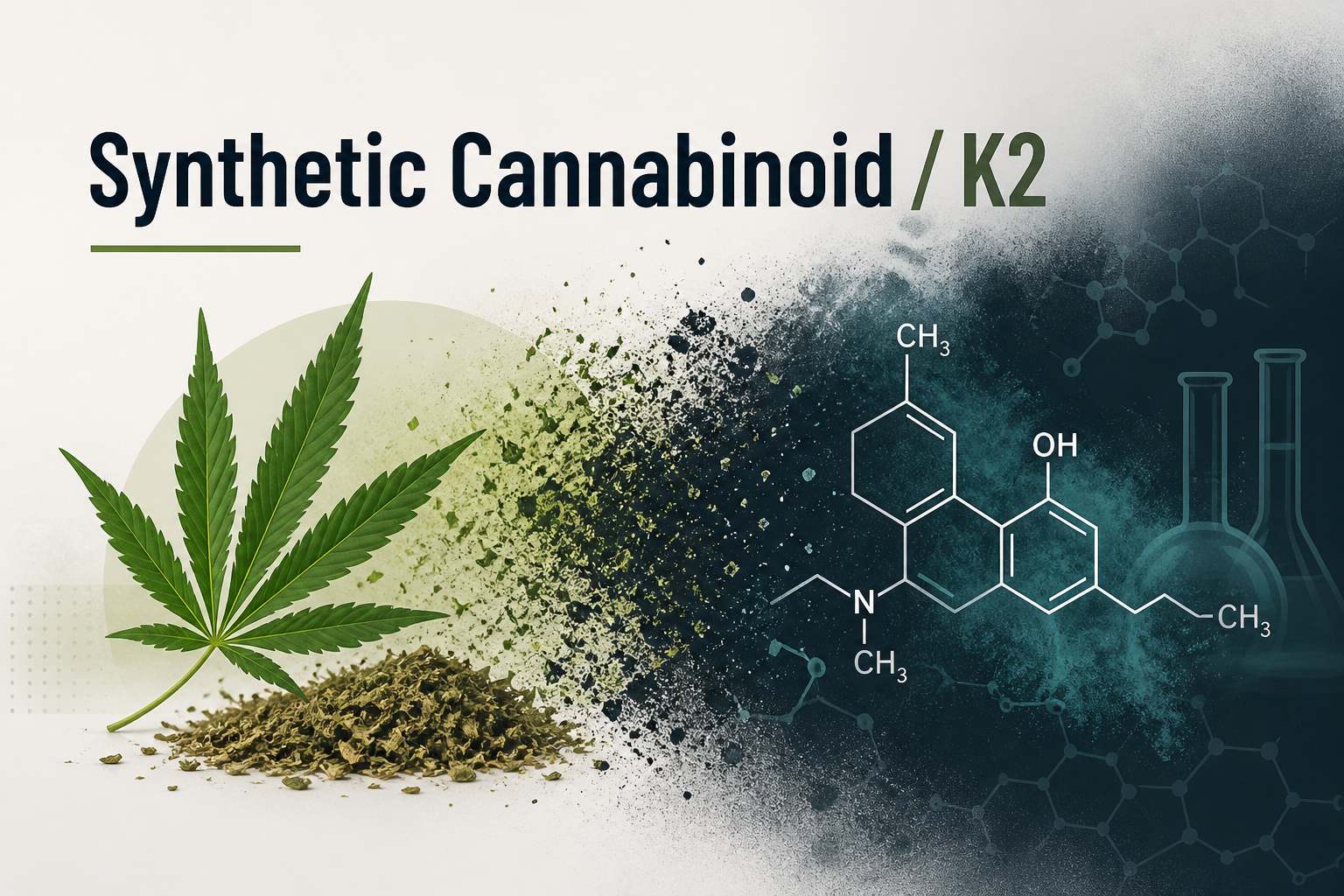
At first glance, synthetic marijuana can seem like a safer or more legal alternative to cannabis. But products like Spice or K2 are far from natural, often containing unpredictable synthetic chemicals that can overwhelm the brain and trigger sudden, intense physical and psychological reactions.
Many people don’t realize how risky these substances can be until use starts to feel frightening, out of control, or disruptive to daily life.
If that’s happening, you’re not alone—and help is available. At Madison Recovery Center, we provide personalized synthetic marijuana addiction treatment in Wisconsin designed to support each client’s unique needs and recovery goals.
What Are Synthetic Cannabinoids, and How Do They Affect the Body?
Synthetic cannabinoids are artificially produced chemicals that affect the same brain receptors as marijuana, but they don’t behave the same way. Even though they’re often marketed as cannabis alternatives, their effects can be much stronger and far less predictable.
Because the chemical makeup can change from one product to the next, people often have no way of knowing what they’re actually using or how their body will react. This unpredictability can lead to intense psychological effects, poor judgment, and sudden changes in heart rate or blood pressure.
Synthetic Cannabinoids Within the Cannabinoid Drug Class
Synthetic cannabinoids are part of the broader cannabinoid drug class, a group of substances that affect brain receptors involved in mood, perception, memory, and stress. While these substances act on similar systems in the body, their effects and risks can be very different.
Within the cannabinoid drug class:
- Natural cannabis contains plant-derived cannabinoids with more predictable effects
- Medical cannabis is regulated and used under medical guidance for specific conditions
- CBD doesn’t produce a high and carries a different risk profile
- Synthetic cannabinoids are lab-made and can produce much stronger, less controllable effects
Synthetic Cannabinoid Side Effects and Health Risks
Synthetic cannabinoids can affect each person differently, but they’re commonly linked to a range of physical and psychological symptoms.
Physical side effects may include:
- Nausea or vomiting
- Chest pain or discomfort
- Rapid or irregular heart rate
- Dizziness or faintness
- Tremors or shaking
- Difficulty breathing
Mental and neurological effects may include:
- Anxiety or panic
- Confusion or disorientation
- Paranoia
- Hallucinations
- Agitation or restlessness
- Episodes of psychosis

Synthetic Cannabinoid Overdose and Emergency Warning Signs
Overdose on synthetic cannabinoids is possible and can be life-threatening. Because these substances vary widely in strength and composition, reactions can escalate quickly.
Emergency warning signs may include:
- Severe agitation or extreme confusion
- Chest pain or pressure
- Seizures or uncontrolled shaking
- Loss of consciousness or unresponsiveness
- Dangerously high body temperature
- Sudden or unpredictable behavior changes
If someone is unresponsive or has collapsed, emergency medical care is critical. Call 911 immediately.
Addiction and Dependence with Synthetic Cannabinoids
Synthetic cannabinoids can be addictive. Repeated use may lead to psychological dependence, where individuals feel compelled to continue using despite negative consequences. Over time, the brain may begin to rely on synthetic cannabinoids to regulate mood, stress, or sleep.
Many people experience escalating use patterns, stronger cravings, and difficulty stopping on their own. When use stops, withdrawal symptoms may appear, reinforcing continued use and making professional support an important part of recovery.
How Long Do Synthetic Cannabinoids Stay in the Body?
How long synthetic cannabinoids remain in the body depends on the specific substance used, the frequency of use, and individual metabolism.
Some effects may wear off within hours, while others can persist for days or longer. Because synthetic cannabinoids vary widely in chemical composition, detection timelines are inconsistent and often unreliable.
Synthetic Cannabinoid Withdrawal Symptoms
When synthetic cannabinoid use stops after dependence has developed, withdrawal symptoms may begin within hours or days. The withdrawal experience can vary based on the substance used and how frequently it was taken.
Common withdrawal symptoms may include:
- Irritability or restlessness
- Anxiety or heightened stress
- Insomnia or disrupted sleep
- Nausea or stomach discomfort
- Sweating or chills
- Headaches
- Mood swings
- Strong cravings
Do Synthetic Cannabinoids Show Up on Drug Tests?
Most standard drug tests are designed to detect THC rather than synthetic cannabinoids. As a result, many synthetic cannabinoids don’t appear on routine screenings.
Specialized testing may detect certain compounds, but results depend on the substance and the test used. The lack of reliable detection doesn’t reduce the health risks associated with use.

Synthetic Cannabinoid Addiction Treatment and Recovery Options
Treatment typically includes a clinical assessment, therapy, and recovery planning. At Madison Recovery Center, we provide synthetic cannabinoid treatment designed to support long-term recovery in a structured and supportive setting.
Intensive Outpatient Program
Outpatient synthetic cannabinoid treatment in Wisconsin allows individuals to receive care while continuing work, school, or family responsibilities. This option provides consistent support without requiring residential admission.
Partial Hospitalization Program
The partial hospitalization program provides a higher level of daily structure for those experiencing more intense symptoms related to synthetic marijuana use. Clients attend treatment during the day and return home in the evenings.
Virtual IOP
Virtual IOP allows individuals to receive treatment for synthetic marijuana or Spice use remotely while maintaining a structured care schedule. Sessions are conducted through secure online platforms.
Long-Term Rehab and Sober Living Support
Some individuals benefit from extended structure after stopping synthetic marijuana use. Synthetic cannabinoid rehab and sober living support can help reinforce healthy routines and provide a steadier transition into independent living.
Mental Health Program
Synthetic marijuana and synthetic cannabinoid use are frequently linked to anxiety, depression, paranoia, or other mental health symptoms. Addressing these concerns alongside substance use can support a more stable recovery.
Addiction Therapy and Counseling
Addiction therapy and counseling are core parts of synthetic marijuana addiction treatment. Therapy helps individuals understand patterns of use, manage triggers, and build healthier coping skills.
Get Help for Synthetic Cannabinoid Use
If synthetic cannabinoid or synthetic marijuana use is affecting your life, support is available. We offer confidential synthetic cannabinoid rehab treatment options in Wisconsin designed to help individuals regain stability and move forward with care.
Contact us today to begin the journey toward a more stable future free from substances.
Treatment isn’t what you think it is.
If you’re navigating alcoholism, addiction, and co-occurring disorders, there is a solution. Reach out for a free, confidential conversation and we’ll answer any questions you have.
FAQs About Synthetic Cannabinoid Rehab Treatment
What is the difference between natural and synthetic cannabinoids?
While natural cannabinoids occur in cannabis plants, synthetic cannabinoids are lab-created chemicals designed to mimic THC, but often bind more strongly to brain receptors.
Are synthetic cannabinoids the same as synthetic marijuana?
Synthetic marijuana is a common name for products containing synthetic cannabinoids, but it is misleading. These substances are not marijuana and behave differently in the body and brain.
Is CBD a synthetic cannabinoid?
No, CBD is a naturally occurring cannabinoid found in hemp and cannabis plants and has a different chemical makeup from synthetic cannabinoids.
Are synthetic cannabinoids addictive?
Yes, repeated use can lead to dependence, cravings, and withdrawal symptoms.
Can synthetic cannabinoids cause overdose?
Yes, overdose is possible and may require emergency medical care.
What does medically supervised withdrawal involve?
Medically supervised withdrawal provides 24/7 monitoring, symptom management, and clinical support to reduce risks and discomfort while the body adjusts. This approach helps address complications early and supports a safer transition into ongoing care.
When should someone seek synthetic marijuana addiction treatment?
Treatment is recommended when use affects health, safety, mental well-being, or daily functioning.
Recovery Starts Today
Madison Recovery Center is committed to supporting the Madison and surrounding communities with flexible, comprehensive outpatient treatment options for drug rehab. Remember, you don’t have to face this journey alone. Reach out for a free, confidential conversation today, and we’ll answer any questions you may have.
