
Why Men in Wisconsin Struggle to Ask for Help with Drinking and Depression
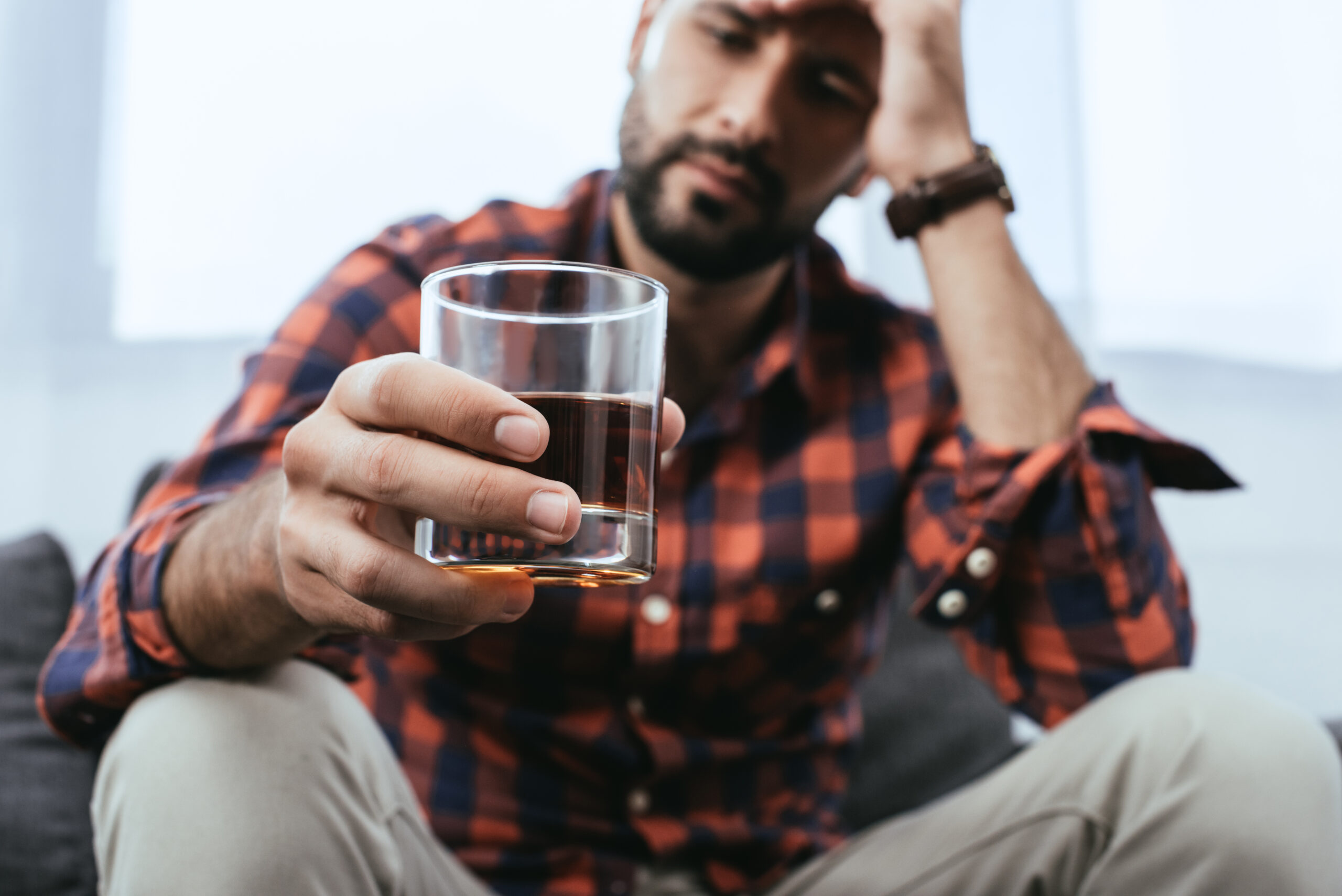
Many men in Wisconsin are silently battling depression and alcohol misuse. These challenges are often invisible, masked by cultural norms, drinking habits, and personal fears. Men are less likely than women to seek help for mental health issues or substance use, and in Wisconsin, where alcohol is a major part of social life, asking for help becomes even harder. Understanding why this happens is the first step toward healing and prevention. This article explores the connection between drinking and depression in men, and takes a look at men who deny being alcoholics and how help for them is readily available.
Why Wisconsin Men Hide Their Struggles with Drinking and Depression
From childhood, many boys in Wisconsin are taught to be strong, quiet, and independent. These lessons often carry into adulthood, where men are expected to be providers and problem-solvers. Admitting emotional pain, sadness, or struggles with drinking may be seen as weakness, even though it’s the opposite, because asking for help takes strength.
In rural towns and blue-collar communities, especially, the phrase “handle it yourself” still carries weight. For many men, the idea of therapy or rehab feels like a last resort, rather than a healthy step forward. This cultural expectation creates a wall of silence around mental health.
Depression in Men Often Goes Unrecognized
Depression doesn’t always look like what people expect. While some experience sadness, crying, or fatigue, many men show different symptoms. These may include anger, emotional numbness, risky behavior, irritability, or detachment from loved ones. Men may not even realize these behaviors are signs of depression.
When it comes to men and depression, how to help can be hard to figure out because the condition is often masked. For instance, instead of talking about how they feel, some men throw themselves into work, hobbies, or drinking. They may say they’re “just tired” or “under pressure,” downplaying their emotional state. Without men’s depression help, this pattern can lead to deeper mental health issues and isolation.

How Wisconsin’s Drinking Culture Hides Alcohol Problems in Men
Wisconsin has some of the highest alcohol consumption rates in the United States. Drinking is deeply embedded in the state’s social fabric, from Friday fish fries to Packers games to summer barbecues. In many communities, alcohol is a normal, accepted part of daily life.
This makes it difficult to tell when someone’s drinking becomes a problem. If all your friends drink heavily, it’s easy to believe your habits are normal, even if you’re using alcohol to escape uncomfortable feelings. Over time, depression and drinking can worsen mental health, increase shame, and lead to physical dependence.
Mental Health Stigma Stops Men From Asking for Help for Depression
Despite growing awareness, many men who struggle with drinking and depression still fear being judged for needing mental health support. Some worry that therapy or treatment makes them look weak, unstable, or less masculine. Others fear losing their job, respect, or relationships if they speak openly about their struggles.
In small towns across Wisconsin, where everyone knows each other, privacy becomes another barrier. The idea of checking into rehab or seeing a counselor can feel risky. This stigma reinforces silence, and silence keeps men stuck in pain.
Access to Mental Health and Addiction Treatment Is Limited
Even when men are ready to get help, they may not know where to turn. Rural parts of Wisconsin often have few mental health providers or substance use programs. Long wait times, lack of insurance coverage, and confusion about how treatment works can stop men from following through.
Some men picture rehab as a locked hospital unit or believe therapy is just “talking about feelings.” But modern treatment is far more dynamic. At places like Madison Recovery Center, men receive personalized alcohol treatment in Wisconsin that addresses both depression and alcohol use in a safe, supportive way.
Drinking and Depression Are Often Connected
Many men drink to cope with sadness, loneliness, or stress. At first, alcohol may seem to help. It numbs pain and creates a sense of relief. But over time, alcohol worsens depression and creates a cycle of dependence. The more someone drinks to feel better, the worse they often feel later.
This cycle can spiral quickly, especially when untreated depression makes it hard to function at work, maintain relationships, or stay motivated. Without proper support, alcohol becomes the only coping tool available, and it rarely solves the underlying issue.
Madison Recovery Center Supports Men in Wisconsin With Drinking and Depression
Madison Recovery Center understands the unique challenges that men face with drinking and depression in Wisconsin. Our team provides mental health treatment in Wisconsin that is confidential, compassionate care for men who are struggling with depression, alcohol misuse, or both. We don’t judge. We listen, support, and help men rebuild their lives.
Our treatment programs include:
- Dual-diagnosis therapy for depression and addiction
- One-on-one counseling and group support
- Outpatient and residential care options
- Tools to manage emotions, stress, and triggers
- A team that respects your experience and your privacy
You don’t have to hit rock bottom to get help. Whether you’re just beginning to notice signs of depression or you’ve been drinking more than you’d like, we’re here when you’re ready.
You Don’t Have to Face Drinking and Depression Alone
Recovery doesn’t begin with a perfect plan. It begins with honesty with one conversation, one phone call, one step. Men in Wisconsin don’t have to keep struggling alone. Drinking and depression are treatable. Life can feel better again.
If you are concerned about a loved one and wondering how to help men with depression, reach out to Madison Recovery today, and let’s talk about strategies for renewal, restoration, and optimal recovery.
Contact Madison Recovery Center today to learn more.
Treatment isn’t what you think it is.
If you’re navigating alcoholism, addiction, and co-occurring disorders, there is a solution. Reach out for a free, confidential conversation and we’ll answer any questions you have.
FAQs About Drinking and Depression Among Men in Wisconsin
How common is co-occurring depression and alcohol misuse in men in Wisconsin?
Co-occurring disorders (when someone has both a mental health issue and a substance use disorder) are more common than people realize. National data suggest that men are particularly at risk for this dual diagnosis, and states like Wisconsin with high alcohol consumption may see even higher rates.
Do genetics play a role in alcohol addiction or depression?
Yes. Genetics can increase a person’s risk for both depression and alcohol use disorder. If there’s a family history of either condition, men may be more vulnerable. Environmental factors like stress, trauma, or peer influence also play a significant role.
Are there workplace resources for men struggling with drinking or depression in Wisconsin?
Some employers in Wisconsin offer Employee Assistance Programs (EAPs) that include free or low-cost access to mental health services, counseling, or addiction support. However, not all workers are aware of these benefits, and stigma may prevent them from using them.
What role does loneliness play in men’s mental health in rural Wisconsin?
In rural areas of Wisconsin, the rate of men asking for help with depression is lower due to isolation and a lack of community support. Limited transportation, fewer mental health providers, and geographic distance from friends or family all contribute to a greater sense of loneliness, which can increase alcohol misuse as a coping tool.
Recovery Starts Today
Madison Recovery Center is committed to supporting the Madison and surrounding communities with flexible, comprehensive outpatient treatment options for drug rehab. Remember, you don’t have to face this journey alone. Reach out for a free, confidential conversation today, and we’ll answer any questions you may have.
