
Withdrawal Symptoms, Detox, and Treatment for Paxil Addiction
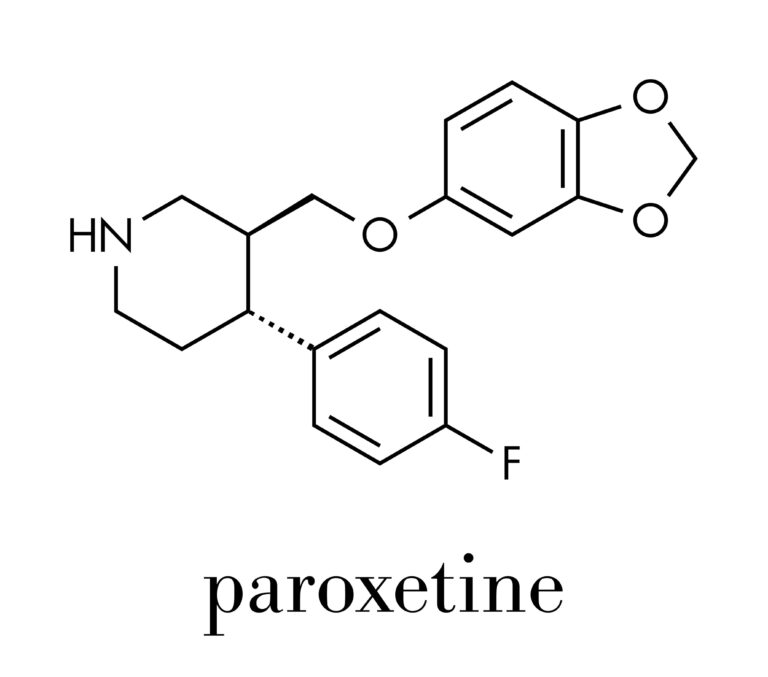
Some people assume antidepressants aren’t addictive, but stopping Paxil (paroxetine) after long-term use can hit hard. Your body, used to a steady dose, needs time to adjust. If you’re considering quitting or tapering, you deserve a clear picture of what might come, what matters, and how treatment (including virtual rehab in Wisconsin or online rehab in Wisconsin) can support your recovery.
Can You Drink on Paxil?
Mixing alcohol and Paxil is risky. Alcohol is a depressant. In someone taking Paxil, it can dull judgment, exacerbate mood swings, or blunt the medication’s effect. You may also intensify side effects like drowsiness, nausea, or dizziness. If you already struggle with mood instability or substance use, drinking while on Paxil can push things off balance—even more so if you’re in recovery from other substances.
In a treatment setting—whether Wisconsin rehab or elsewhere—most programs advise abstaining from alcohol entirely while medications are being adjusted. Once your dosing is stable, some providers may allow moderate, controlled alcohol use, but that’s rarely recommended in cases of dependency or addiction history.
Effects on Mental Health While Taking Paxil
Paxil is designed to help stabilize mood by boosting serotonin levels. Many people use it to manage depression, anxiety, OCD, or panic. But it’s not a perfect shield. Some users experience side effects like insomnia, irritability, appetite changes, or vivid dreams. Over time, its effectiveness may wane, or underlying struggles might resurface.
In rare cases—especially in younger individuals—Paxil can trigger suicidal thoughts or impulsivity, especially during dose changes. That’s why close monitoring is standard early in treatment. As you taper off, some of your old symptoms (or new ones) may resurface. That’s not a failure—it’s your brain rebalancing. Treatment in Wisconsin drug rehab addresses both the chemical and emotional sides of that adjustment.
Can You Overdose on Paxil?
Paxil isn’t known for the dramatic overdoses seen in street drugs, but “overdose” is possible. Take too much—either accidentally or in a crisis—and you risk serotonin syndrome, extreme nausea, rapid heart rate, high body temperature, agitation, tremors, seizures, or unconsciousness. In severe cases, it can be life-threatening.
If someone takes Paxil along with other serotonergic drugs (e.g., certain migraine meds, MDMA, or some painkillers), the risk increases. Overdose doesn’t always look dramatic—sometimes it’s confusion or sudden worsening of symptoms. If there’s any concern, call emergency services right away.

How Do You Detox From Paxil?
“Detox” isn’t a perfect fit for Paxil the way it is for alcohol or opioids, but many of the same principles apply: careful tapering, medical supervision, and support.
Start by lowering your dose slowly over weeks or months. Some clinicians switch you to a longer-acting SSRI to ease the transition, then taper that. That gives your brain a gentler adjustment. You might also get short-term meds for nausea, insomnia, or anxiety. Progressive therapy, counseling, or behavioral tools help too—detox isn’t just chemical.
If symptoms intensify, you may pause the taper, increase the dose slightly, or adjust the timing. That’s normal. A well-run Wisconsin rehab or virtual rehab in Wisconsin program gives you continuous contact with professionals who monitor your safety and comfort.
Group therapy, peer support, and healthy routines (sleep, nutrition, gentle movement) also soothe the process. Remember, clean living supports sobriety—and in this case, it supports your nervous system as it rebalances.
Treatment and Recovery Options
Detox is just the start. Once physical symptoms ease, you move into rebuilding. That means therapy, psychiatric guidance, coping strategies, and relapse prevention. In Wisconsin drug rehab settings, integrated care often includes mental health programs, life skills coaching, and medications when needed.
One advantage of virtual rehab in Wisconsin or online rehab in Wisconsin is that you stay rooted in your community while getting support. No uprooting your life to go to another state. You get one-on-one counseling, group sessions, check-ins, and accountability without commuting. That kind of care helps you stay consistent.
Some people may need partial hospitalization or residential care if withdrawal becomes overwhelming or if co-occurring issues (like other substance use or unstable mood disorders) demand closer supervision. The goal is safe progress—not speed.
Treatment isn’t what you think it is.
If you’re navigating alcoholism, addiction, and co-occurring disorders, there is a solution. Reach out for a free, confidential conversation and we’ll answer any questions you have.
Frequently Asked Questions
Will withdrawal symptoms last forever?
Usually not. Acute withdrawal for Paxil typically peaks around day 4 or 5 and often eases within 2–3 weeks. But some lingering symptoms—especially mood shifts or sensory oddities—can persist for months in a small portion of people.
Can I quit cold turkey and hope for the best?
It’s not wise. Abrupt discontinuation increases risks of severe symptoms, relapse, or return of original mood disorder. A guided taper is much safer.
Is Paxil addiction the same as substance addiction?
Not exactly. Paxil doesn’t trigger cravings or compulsive drug seeking. Discontinuation symptoms come from neurological adjustment, not classic addiction. But when use becomes excessive or misused, medical help is needed.
Can I do rehab from home in Wisconsin?
Yes. Virtual rehab in Wisconsin and online rehab in Wisconsin provide structured, licensed care remotely. You access therapy, medical oversight, and support—no need to travel far or leave your routine.
What if withdrawal triggers suicidal thoughts?
That’s a serious sign. Contact mental health professionals immediately, consider inpatient care, and don’t hesitate to return to your former dosage temporarily under medical supervision while getting help.
Recovery Starts Today
Madison Recovery Center is committed to supporting the Madison and surrounding communities with flexible, comprehensive outpatient treatment options for drug rehab. Remember, you don’t have to face this journey alone. Reach out for a free, confidential conversation today, and we’ll answer any questions you may have.
