
Withdrawal Symptoms, Detox, and Treatment for Risperdal Addiction
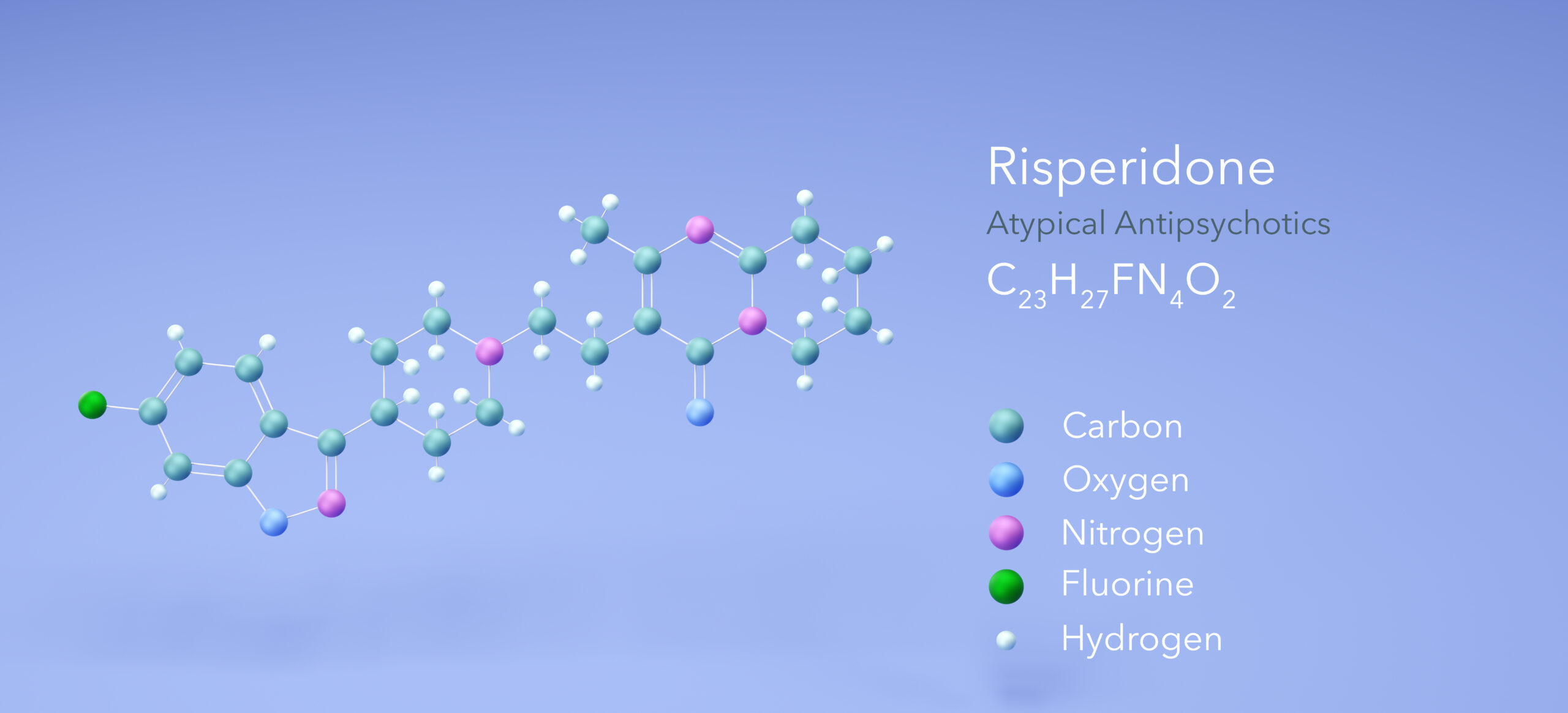
Risperdal (generic name risperidone) is prescribed for mood disorders, psychosis, and bipolar conditions. For some, long-term use evolves into a reliance that’s hard to shake. Stopping it abruptly can spark a cascade of uncomfortable—and in some cases dangerous—responses. If you’re weighing disengaging from Risperdal, it’s vital to understand what withdrawal might feel like, how detox works, and what treatment paths exist. In Wisconsin, people also explore virtual rehab in Wisconsin or online rehab in Wisconsin as more flexible routes toward recovery from this kind of dependence.
Can You Drink on Risperdal?
Mixing alcohol with Risperdal is a risky dance. Alcohol can amplify side effects like dizziness, drowsiness, and impaired coordination. It can also worsen psychiatric symptoms, which Risperdal is intended to stabilize in the first place. Because both substances affect the brain’s neurotransmitters, the combination may increase the chances of confusion or sedation. If someone is trying to taper off Risperdal or facing withdrawal, alcohol only complicates the chemical balances further—something recovery programs, whether in a Wisconsin rehab or in a Wisconsin drug rehab setting, strongly advise against.
Effects on Mental Health While Taking Risperdal
Risperdal works by blocking dopamine and influencing serotonin in the brain, which can calm hallucinations, mania, or mood instability. But it also carries a price. Over time some people notice emotional flattening, a sense of detachment, weight gain, fatigue, metabolic changes, and even increased anxiety. In rare cases, long-term use can contribute to tardive syndromes—uncontrollable movements or restlessness. What feels stabilizing early on may become numbing later. As the brain adapts to the drug, it can grow dependent. That dependence is what opens the door to complicated withdrawal or rebound psychosis if the switch is mishandled.
Can You Overdose on Risperdal?
Yes, overdosing on Risperdal is possible though it’s less common than with substances like opioids. Symptoms of overdose may include severe drowsiness, slow or irregular heartbeat, low blood pressure, seizures, unconsciousness, or respiratory depression. In a medical emergency, such symptoms demand immediate attention—call emergency services. Because Risperdal affects multiple systems, the higher the dose or the more interactions with other depressants (alcohol, sedatives), the higher the risk. Treatment centers—whether traditional, online rehab in Wisconsin, or virtual rehab in Wisconsin—will prioritize medical stabilization first in any overdose scenario.

How Do You Detox From Risperdal?
Detox from Risperdal must be managed with care. Abrupt cessation is dangerous: withdrawal symptoms show up in nearly half of people stopping antipsychotics suddenly. Medical guidance recommends tapering slowly—sometimes over weeks or months. Side effects during a taper may include insomnia, agitation, nausea, restlessness, irritability, dizziness, sweating, and movement disorders like akathisia or dystonia. In rare cases, withdrawal has triggered dyskinesia or rebound psychosis. That’s why detox is ideally done in a supervised medical setting or a structured program that monitors symptoms and supports stabilization. In Wisconsin, many people turn to Wisconsin rehab facilities that either partner with detox centers or offer medical detox. You can also find a detox center in Wisconsin to begin the process safely. Some Wisconsin drug rehab programs will accept patients already stabilized and continue tapering while addressing psychological support.
Treatment for Antipsychotic & Mood Stabilizer Addiction
Once detox is underway, treatment shifts to addressing both the physical dependence and the emotional patterns behind it. Therapy approaches—cognitive behavioral therapy, motivational interviewing, or dialectical behavior therapy—help unpack triggers, thought patterns, and behaviors. Psychiatric support is key: you’ll want a provider who understands both the original psychiatric condition and the implications of stopping medication. In some cases, new medications may be introduced gradually to manage symptoms without the downsides you experienced on Risperdal.
Many people in Wisconsin opt for hybrid models: in-person therapy supplemented with virtual rehab in Wisconsin or online rehab in Wisconsin for flexibility. Some Wisconsin rehab centers offer outpatient or partial hospitalization tracks that let individuals live in sober living environments while receiving intensive treatment. Peer support, group therapy, and alumni networks help maintain momentum post-treatment. The best plans integrate mental health care, medical oversight, life skills training, and community support.
Treatment isn’t what you think it is.
If you’re navigating alcoholism, addiction, and co-occurring disorders, there is a solution. Reach out for a free, confidential conversation and we’ll answer any questions you have.
Frequently Asked Questions
Is Risperdal physically addictive like opioids?
Risperdal does not induce a “high”—it’s not addictive in that sense. But the brain can adapt to its presence, and stopping suddenly can provoke withdrawal symptoms and relapse of underlying mental health symptoms.
How long do withdrawal symptoms last?
Most withdrawal signs start within a few days or weeks of tapering, and many resolve within four weeks. Some movement issues or mood changes might persist longer, depending on duration and dose.
Can I taper myself at home?
Not without supervision. Even well-intentioned tapers run the risk of symptom rebound or withdrawal complications. It’s safest to taper under medical guidance or in a structured program.
Will symptoms of mental illness come back if I stop Risperdal?
Yes, they might. That’s part of the risk. The goal of treatment is to manage symptoms via other means—therapy, alternative medications, or lifestyle changes—while minimizing relapse.
Can I use virtual rehab in Wisconsin or online rehab in Wisconsin for this type of addiction?
Absolutely. Many rehab programs now offer online or hybrid models. For people in Wisconsin who can’t commit to full residential programs, virtual rehab in Wisconsin or online rehab in Wisconsin may allow them to get support while staying rooted in their daily life.
What’s the next step if someone wants help?
Start by consulting a psychiatrist or addiction specialist. In Wisconsin, reach out to local Wisconsin rehab or Wisconsin drug rehab centers and ask if they offer medical tapering or referrals to detox. If you want remote access, inquire about their virtual or online rehab options.
Recovery Starts Today
Madison Recovery Center is committed to supporting the Madison and surrounding communities with flexible, comprehensive outpatient treatment options for drug rehab. Remember, you don’t have to face this journey alone. Reach out for a free, confidential conversation today, and we’ll answer any questions you may have.
