
Withdrawal Symptoms, Detox, and Treatment for Celebrex Addiction

Celebrex, known generically as celecoxib, is a prescription anti-inflammatory often used for arthritis or chronic pain. It works by reducing hormones that trigger inflammation and pain in the body. While it’s not classified as an opioid, misuse or dependency can still develop, especially when people rely on it for long-term pain management. When dependence sets in, stopping suddenly can lead to uncomfortable withdrawal symptoms and emotional challenges that make recovery difficult without support.
Can You Drink on Celebrex?
Mixing alcohol with Celebrex isn’t a harmless combo. Both can irritate the stomach lining, and together, they increase the risk of gastrointestinal bleeding or ulcers. Alcohol can also raise blood pressure and strain the liver, which already processes the medication. Even a small amount of alcohol can magnify these effects, especially for those who take Celebrex regularly or at high doses. People struggling with pain management sometimes turn to alcohol as a way to “take the edge off,” but this can backfire, heightening both physical risks and emotional instability. For anyone trying to move away from unhealthy habits, it’s worth talking to a care team through a Wisconsin rehab or virtual rehab in Wisconsin about how to manage pain safely and avoid complications from mixing substances.
Effects on Mental Health While Taking Celebrex
The connection between pain, medication, and mental health is complex. For some, Celebrex provides much-needed relief that improves mood and daily function. For others, especially at higher doses or over long stretches, it may lead to side effects that mimic anxiety or depression. This can include restlessness, insomnia, irritability, or emotional flatness. These shifts may go unnoticed until someone begins reducing their dosage or stops altogether. During withdrawal, brain chemistry readjusts, and mood swings can intensify. Comprehensive recovery often includes examples of mental health programs that focus on emotional regulation, coping skills, and gradual stabilization—because true healing involves both the mind and the body.
Can You Overdose on Celebrex?
Yes, overdose is possible, though it’s not as common as with opioids. Still, taking too much Celebrex can cause serious health issues, including kidney failure, stomach bleeding, and cardiac events. The danger increases if it’s combined with other painkillers or alcohol. Symptoms of overdose might include vomiting, drowsiness, confusion, or fainting. If someone suspects an overdose, immediate medical attention is essential. For those struggling with dependency or misuse, reaching out to an online rehab in Wisconsin can offer discreet, professional help before an emergency ever occurs. Programs that address medication misuse early can prevent complications and provide education about safer ways to manage pain and anxiety.
How Do You Detox from Celebrex?
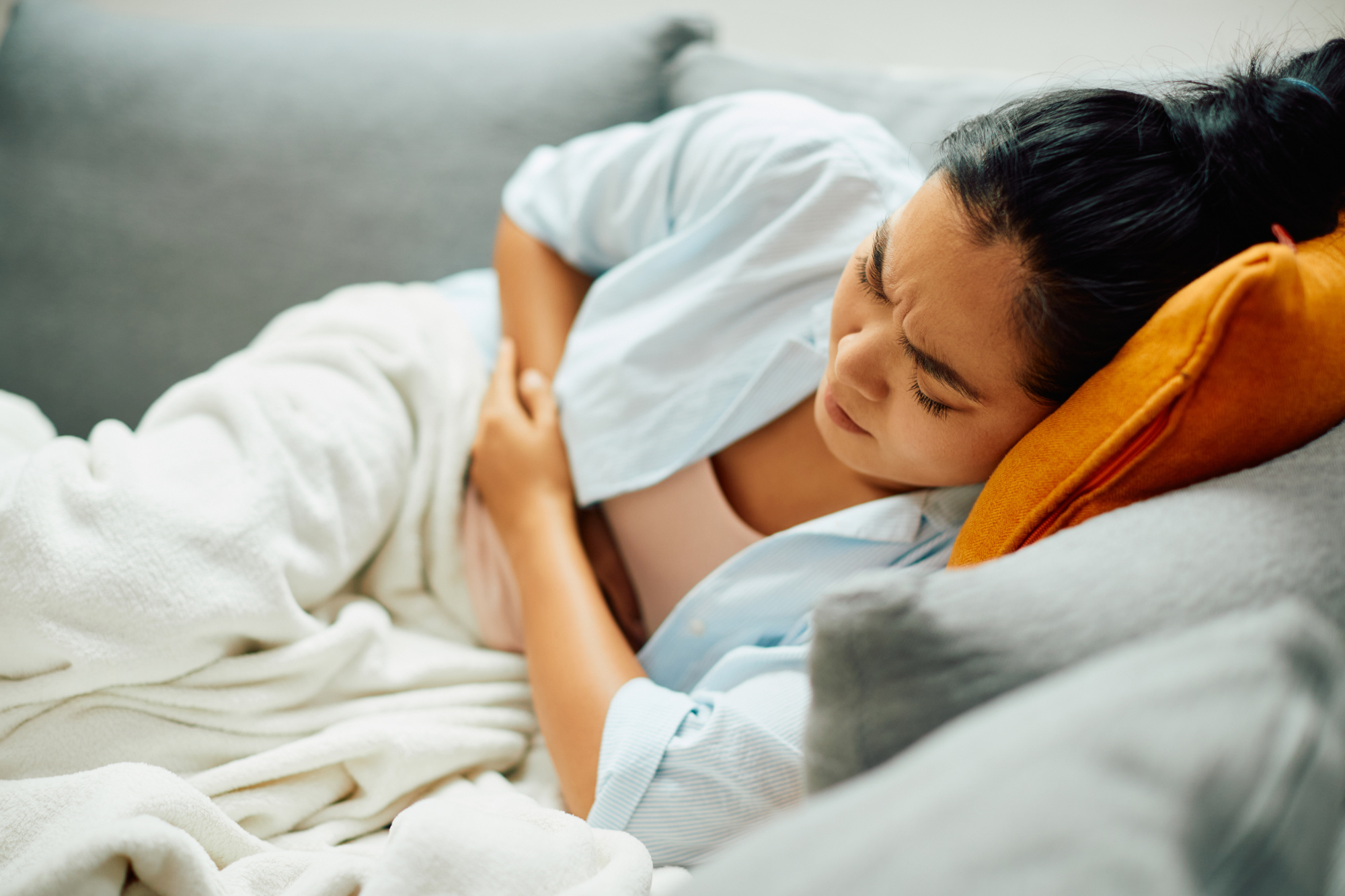
Detoxing from Celebrex usually involves a gradual taper under supervision rather than a cold-turkey stop. This helps the body readjust slowly while minimizing withdrawal effects like headaches, mood changes, or digestive upset. A medically guided detox provides comfort and safety during this process, especially for those who’ve been taking high doses for months or years. In many cases, a Wisconsin drug rehab center can coordinate care with physicians to balance physical detox with emotional support. Alongside detox, clients may participate in family interventions to help loved ones understand the recovery process and rebuild trust at home. For individuals who can’t attend in-person care, a virtual rehab in Wisconsin makes it possible to access counseling and medical oversight from home, blending convenience with accountability.
Treatment for Painkiller and Opioid Addiction
Treatment for painkiller or opioid addiction often involves both medication-assisted and behavioral therapies. While Celebrex isn’t an opioid, many people who misuse it also use or transition from other painkillers, which means a broader approach is essential. A Wisconsin rehab program can tailor care to the person’s specific needs, combining therapy, peer support, and education on long-term pain management. Facilities today use innovative tools, including technologies used at rehab, to track progress, personalize treatment plans, and strengthen engagement during recovery. From virtual counseling sessions to real-time support apps, these tools help bridge the gap between detox and lasting change. The goal isn’t just abstinence—it’s helping people regain confidence and control in their daily lives.
Treatment isn’t what you think it is.
If you’re navigating alcoholism, addiction, and co-occurring disorders, there is a solution. Reach out for a free, confidential conversation and we’ll answer any questions you have.
Frequently Asked Questions
What are common withdrawal symptoms from Celebrex?
People may experience headaches, fatigue, anxiety, sweating, or muscle discomfort. These usually peak within a few days after stopping and fade gradually under supervised care.
Is Celebrex physically addictive?
Celebrex doesn’t create the same physical dependency as opioids, but psychological reliance can occur, particularly when it’s used to manage chronic pain or emotional stress.
How long does Celebrex withdrawal last?
Mild symptoms may ease within a week, while more intense reactions can linger for several weeks depending on dosage, duration, and individual metabolism.
Can Celebrex interact with antidepressants or other medications?
Yes, it can. Celebrex may amplify bleeding risks when taken with certain antidepressants or blood thinners, so medication plans should always be reviewed by a doctor.
Does Wisconsin offer virtual options for recovery?
Absolutely. Both online rehab in Wisconsin and virtual rehab in Wisconsin allow individuals to receive full-spectrum support—detox guidance, therapy, and relapse prevention—from home while maintaining privacy and flexibility.
What if someone needs ongoing care after detox?
Continuing care through a Wisconsin drug rehab program ensures a smoother transition to everyday life, focusing on sustainable habits and emotional stability for long-term wellness.
Recovery Starts Today
Madison Recovery Center is committed to supporting the Madison and surrounding communities with flexible, comprehensive outpatient treatment options for drug rehab. Remember, you don’t have to face this journey alone. Reach out for a free, confidential conversation today, and we’ll answer any questions you may have.
