
Why Mixing Muscle Relaxers Like Cyclobenzaprine And Alcohol Can Be Dangerous
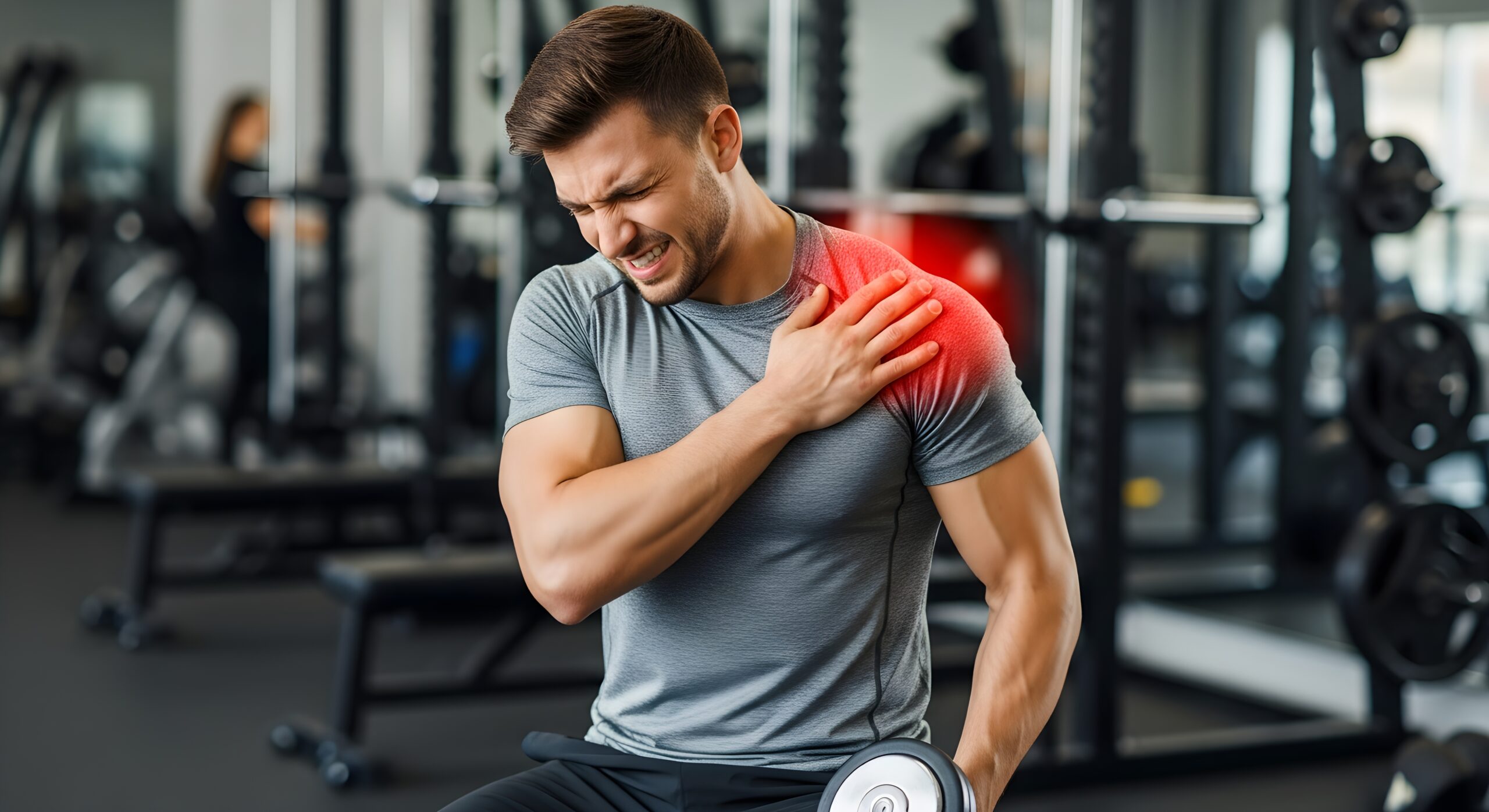
Muscle relaxers are commonly prescribed for pain, spasms, and injuries. Alcohol is frequently consumed in social or recreational settings. But mixing muscle relaxers and alcohol (even in small amounts) can be extremely dangerous. Many people are unaware of just how serious the risks can be when these substances are taken together.
Madison Recovery Center’s aim is to educate individuals and families on the dangers of substance misuse, including harmful combinations like alcohol and prescription muscle relaxants. This article answers questions like, “How long after taking a muscle relaxer can you drink alcohol?” and addresses why this mix is so risky, what can happen, and how to get help.
What Are Muscle Relaxers? Understanding Their Purpose and Effects
Muscle relaxers are medications used to relieve muscle spasms, stiffness, and discomfort. They are often prescribed after injuries, surgeries, or for conditions like back pain or fibromyalgia. These drugs work by depressing the central nervous system (CNS), helping muscles relax by reducing nerve signals sent from the brain to the body.
Common muscle relaxers include:
- Cyclobenzaprine (Flexeril)
- Carisoprodol (Soma)
- Methocarbamol (Robaxin)
- Tizanidine (Zanaflex)
- Baclofen
Most of these medications can cause drowsiness, dizziness, dry mouth, and slowed reaction times. They are typically prescribed for short-term use and should never be mixed with alcohol.
How Alcohol Affects the Brain and Body on Its Own
Alcohol is a central nervous system depressant. It slows down brain activity and impacts the body’s ability to function normally. Even in moderate amounts, alcohol affects coordination, thinking, breathing, and heart rate.
Short-term effects of alcohol include:
- Reduced concentration
- Slurred speech
- Impaired judgment
- Drowsiness
- Lowered inhibitions
While these effects might seem mild or manageable alone, they can become much more dangerous when combined with prescription medications that also depress the CNS.
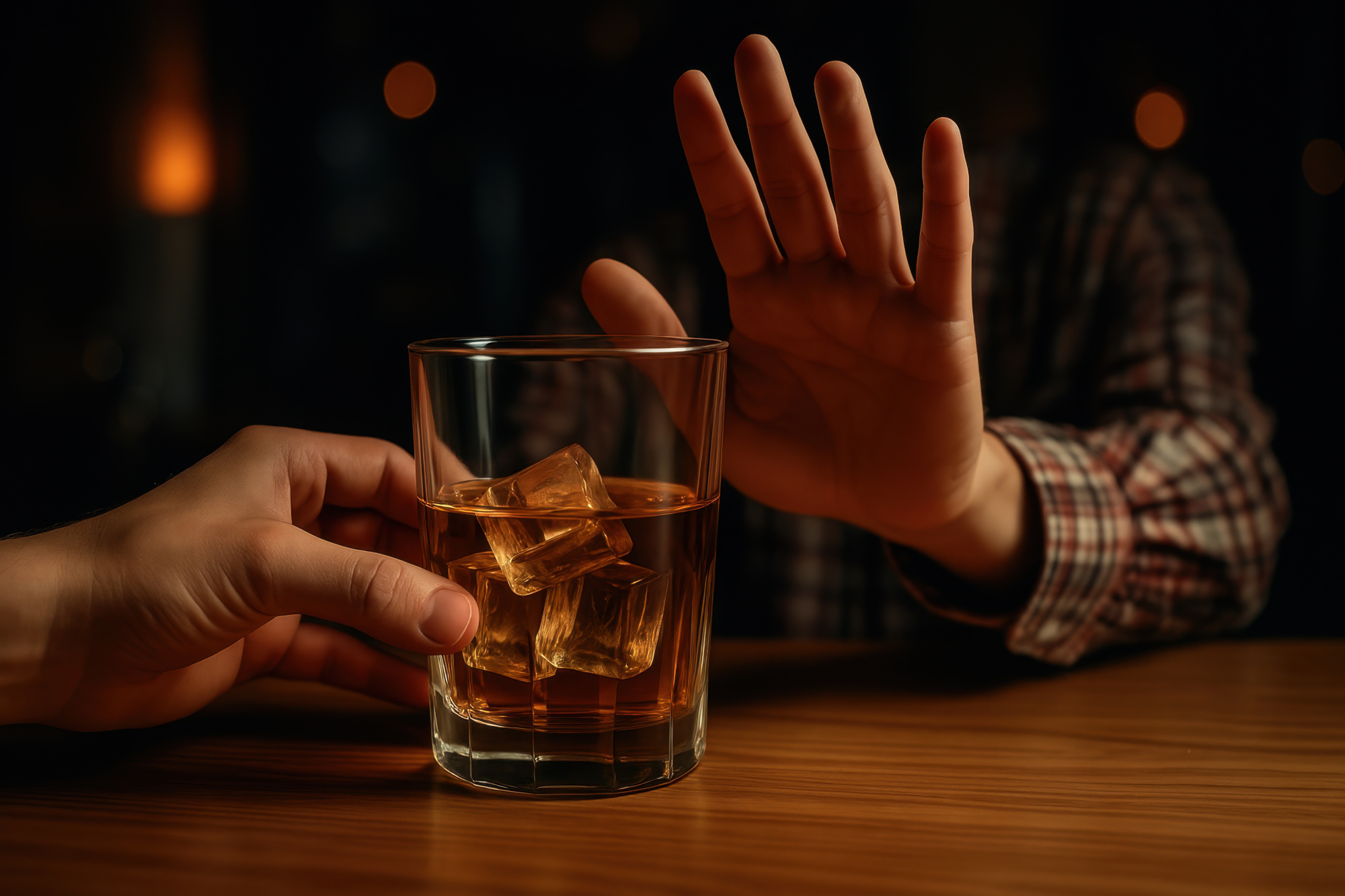
Dangers of Mixing Muscle Relaxers Like Cyclobenzaprine and Alcohol
Taking alcohol and muscle relaxers at the same time increases the effects of both substances. This is known as a synergistic interaction, meaning the substances amplify each other’s effects in the body. This can lead to serious health problems, even when the dose of each is low.
If you take a muscle relaxer and alcohol together, here are the most concerning risks:
Sedation and Extreme Drowsiness from Alcohol and Muscle Relaxer Combinations
Both muscle relaxers and alcohol can cause drowsiness. When used together, this sedation can become extreme. People may become unable to stay awake, walk, or respond to their environment. In some cases, this can lead to blackouts or unconsciousness.
Respiratory Depression
One of the most serious risks of taking a muscle relaxer with alcohol is respiratory depression, when breathing slows or stops. This occurs because both alcohol and muscle relaxers suppress brain signals responsible for regulating breathing. This condition is life-threatening and requires immediate emergency care.
Loss of Coordination and Judgment When Combining Alcohol and Muscle Relaxers
The combination greatly reduces coordination, balance, and reflexes. This makes it extremely dangerous to drive, operate machinery, or even walk safely. Many hospital visits due to falls or car accidents are linked to this kind of drug-alcohol interaction.
Can You Overdose from Mixing Muscle Relaxers with Alcohol?
Taking muscle relaxers and alcohol together increases the risk of an overdose. Signs of overdose may include:
- Vomiting
- Irregular heartbeat
- Slow or stopped breathing
- Blue lips or fingers
- Cold, clammy skin
- Unresponsiveness or coma
If you notice these signs in someone, call 911 immediately.
Cyclobenzaprine and Alcohol: A Closer Look at a Common Mix
Cyclobenzaprine, sold under the brand name Flexeril, is one of the most commonly prescribed muscle relaxers. It is known for causing sleepiness and dizziness, especially in older adults.
When cyclobenzaprine and alcohol are combined, the drowsiness can become extreme. In some cases, it may lead to serious confusion, hallucinations, or dangerously slowed breathing. Despite warnings, this combination of cyclobenzaprine with alcohol is frequently used recreationally, putting many at risk of harm.
Why People Mix Muscle Relaxers and Alcohol
There are different reasons why someone might mix these substances:
- Accidental use – Many people don’t realize how dangerous it is to drink while taking muscle relaxers.
- Recreational use – Some may intentionally combine them to feel relaxed or “high.”
- Self-medicating – Individuals dealing with physical pain, stress, or trauma may use this combination to numb emotional or physical discomfort.
Regardless of the reason, repeated use of this mix can lead to dependence, tolerance, and addiction.
Who Is Most at Risk from Combining Alcohol and Muscle Relaxers?
Certain individuals face higher risks when using this combination. These include:
- Teens and young adults experimenting with substances
- Seniors, who metabolize medications more slowly
- People with chronic pain or injuries
- Individuals with mental health challenges, such as anxiety or depression
- Those with a history of substance abuse
The risks can be even higher if the person is mixing muscle relaxers and alcohol and is taking additional medications or has an underlying medical condition.
What to Do If Someone Has Mixed Muscle Relaxers and Alcohol
If someone accidentally takes a muscle relaxer and drinks alcohol, monitor their symptoms closely. If they experience trouble breathing, confusion, or pass out, seek emergency medical care right away.
For those who are regularly combining these substances (either intentionally or due to dependency), it may be time to seek professional support.
How Madison Recovery Center Can Help You Heal Safely
Madison Recovery Center offers evidence-based prescription pill addiction treatment for individuals struggling with alcohol misuse, prescription drug dependency, or both. Our compassionate team understands that substance use is often linked to deeper issues like trauma, pain, or stress.
We provide a full range of supportive services, including:
- Medical detox for alcohol and muscle relaxers
- Dual diagnosis care for co-occurring mental health disorders
- Individual, group, and family therapy
- Holistic approaches like mindfulness and wellness
- Long-term recovery planning and aftercare
Whether you’re concerned about yourself or a loved one, we are here to help you take the first step toward a healthier future.
Final Thoughts: Don’t Mix Alcohol with Muscle Relaxers, Your Life Could Depend on It
Mixing muscle relaxers and alcohol may seem harmless, especially if they are both used in moderation. But the truth is, the combination can be unpredictable and deadly. Even common medications like cyclobenzaprine can become dangerous when paired with alcohol.
If you’re struggling with alcohol, medication misuse, or both, you are not alone. Help is available. Madison Recovery Center is here to support you every step of the way toward lasting recovery.
Contact us today to learn more about our treatment programs and how we can help.
Treatment isn’t what you think it is.
If you’re navigating alcoholism, addiction, and co-occurring disorders, there is a solution. Reach out for a free, confidential conversation and we’ll answer any questions you have.
FAQs About Mixing Muscle Relaxers Like Cyclobenzaprine and Alcohol
Can you drink alcohol hours after taking a muscle relaxer?
It depends on the specific medication and how long it stays in your system. Some muscle relaxers, such as cyclobenzaprine, can have effects that last 12–24 hours. Drinking alcohol even several hours after taking a dose can still be risky. It’s best to wait at least a full day or consult your doctor before drinking.
Are there any safe muscle relaxers to take with alcohol?
No muscle relaxer is considered safe to use with alcohol. All muscle relaxers act on the central nervous system, and when combined with alcohol, they can increase the risk of sedation, respiratory issues, and accidents. Always avoid drinking while taking any muscle relaxant.
How long should I wait after stopping muscle relaxers like Cyclobenzaprine before drinking alcohol?
You should wait at least 24 to 48 hours after your last dose before drinking alcohol. However, this can vary depending on the drug, dosage, and your personal health. Some medications may take longer to fully leave your system. Talk to your doctor to be sure.
Can alcohol make muscle relaxer side effects worse?
Yes. Alcohol can worsen the common side effects of muscle relaxers, including dizziness, drowsiness, confusion, and low blood pressure. This makes it more dangerous to drive, walk, or perform daily activities safely.
What should I do if I accidentally drank alcohol while on a muscle relaxer?
If you accidentally mixed the two and feel fine, stay hydrated and avoid any physical activity. If you feel sleepy, confused, dizzy, or short of breath, get medical help right away. In some cases, this mix can lead to overdose or other serious problems.
Do over-the-counter muscle relaxers interact with alcohol?
Even over-the-counter or “natural” muscle relaxants can interact with alcohol. Products containing antihistamines (such as diphenhydramine) or herbal sedatives (such as valerian root) may also increase sedation and affect breathing. Always read labels carefully and talk to a pharmacist before drinking while using any muscle relaxant.
Recovery Starts Today
Madison Recovery Center is committed to supporting the Madison and surrounding communities with flexible, comprehensive outpatient treatment options for drug rehab. Remember, you don’t have to face this journey alone. Reach out for a free, confidential conversation today, and we’ll answer any questions you may have.
