
Benzodiazepine Withdrawal vs. Alcohol Withdrawal: What’s the Difference?
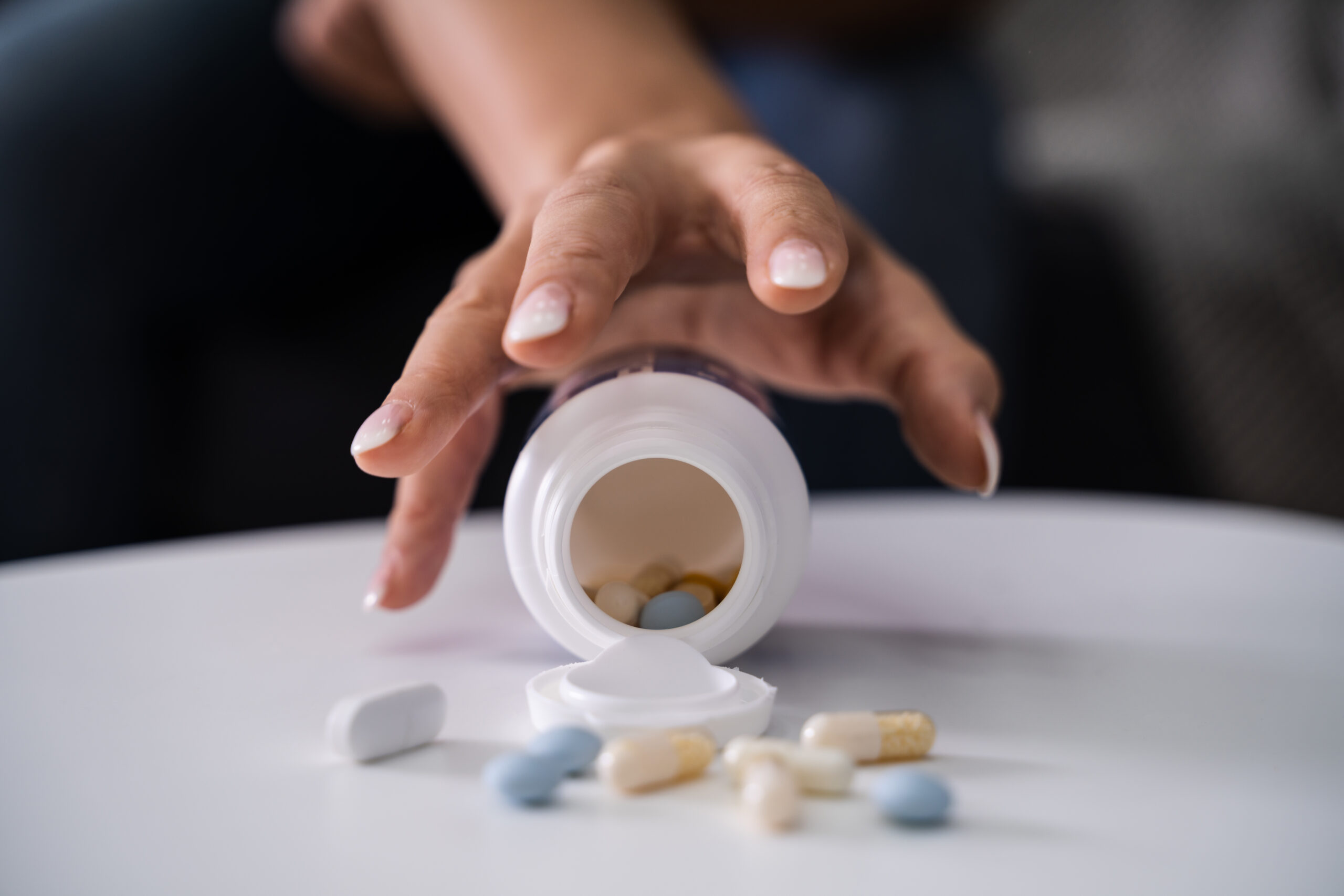
When someone stops using a substance their body has become dependent on, withdrawal symptoms can be difficult, dangerous, and even life-threatening. This is especially true for central nervous system (CNS) depressants like alcohol and benzodiazepines. While both substances slow brain activity and produce calming effects, there are important differences between benzodiazepine withdrawal vs alcohol withdrawal.
Madison Recovery Center understands how overwhelming it can be to face withdrawal. This guide explains the similarities and differences between benzodiazepine withdrawal and alcohol withdrawal, so you or your loved one can find the right help.
Understanding Central Nervous System Depressants
Both benzodiazepines and alcohol fall into a category of drugs called CNS depressants. They slow brain function, reduce anxiety, and can cause drowsiness. Over time, the brain adjusts to their presence, relying on them to maintain balance. When someone suddenly stops using these substances, the brain reacts with overstimulation, leading to either benzodiazepine or alcohol withdrawal symptoms (or both, depending on the situation).
What Is Benzodiazepine Withdrawal?
Causes of Benzodiazepine Withdrawal
Benzodiazepines, commonly known as “benzos,” include drugs like Xanax (alprazolam), Ativan (lorazepam), Valium (diazepam), and Klonopin (clonazepam). These medications are usually prescribed for anxiety, insomnia, seizures, or muscle spasms. Benzodiazepine withdrawal symptoms happen when someone who has used these drugs regularly suddenly reduces or stops their dose.
Common Symptoms of Benzodiazepine Withdrawal
Symptoms of benzodiazepine withdrawal vary based on the drug used, how long it was used, and the person’s physical health. Common symptoms include:
- Anxiety or panic attacks
- Irritability
- Insomnia
- Tremors or shaking
- Muscle pain or stiffness
- Sweating
- Trouble concentrating
- Sensitivity to light or sound
- Nausea or vomiting
In more severe cases, people may experience hallucinations, seizures, or a condition called benzodiazepine withdrawal syndrome, which can last for weeks or even months.
What Is Alcohol Withdrawal?
Causes of Alcohol Withdrawal
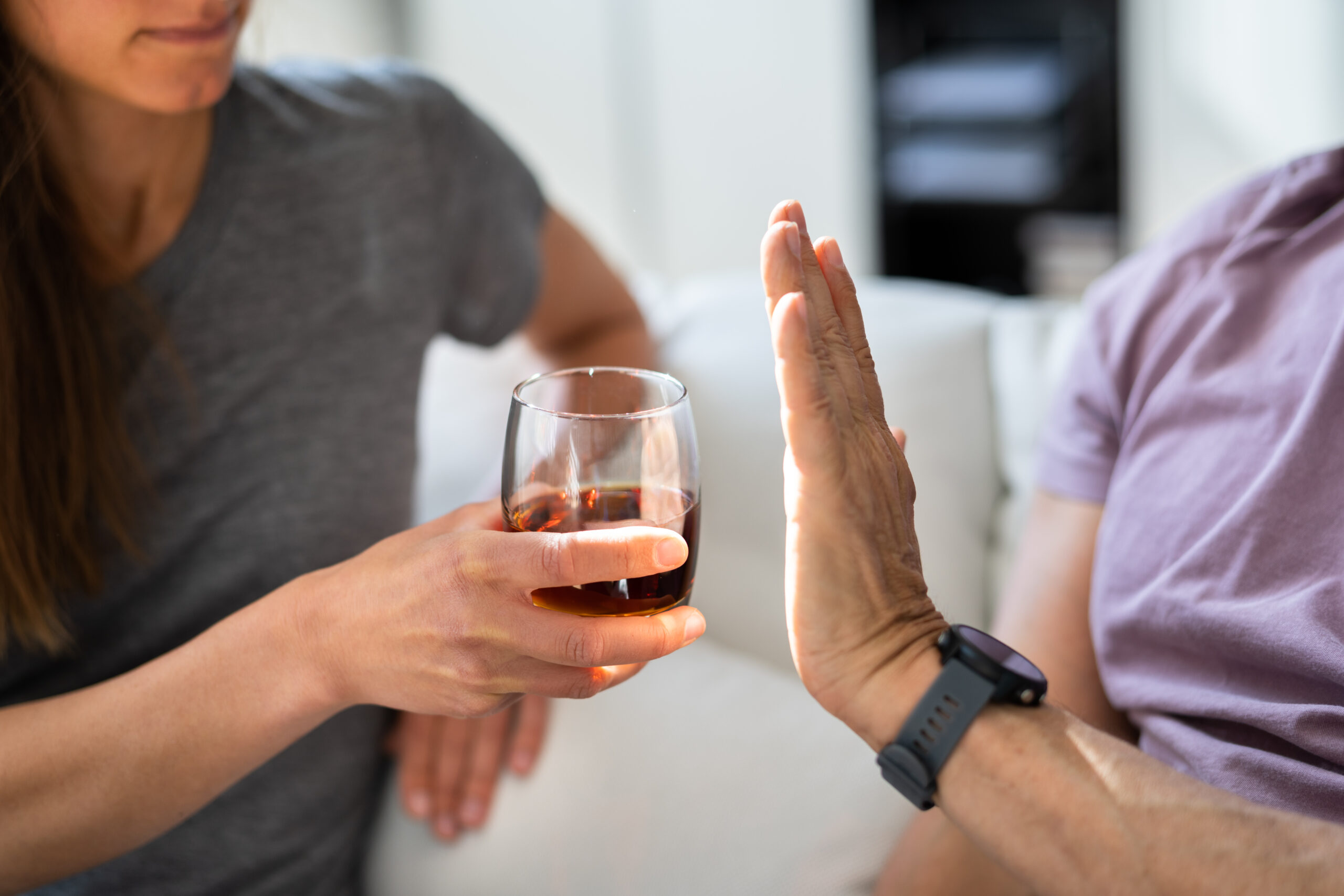
Alcohol withdrawal occurs when a person who has been drinking heavily for a long time suddenly stops or cuts back. The body has adapted to the presence of alcohol, and without it, the brain becomes overstimulated.
Common Symptoms of Alcohol Withdrawal
Alcohol withdrawal symptoms can start as soon as 6 hours after the last drink. These symptoms include:
- Anxiety or nervousness
- Shaky hands
- Headache
- Sweating
- Nausea or vomiting
- Irritability
- Insomnia
- Fast heartbeat
In more severe cases, alcohol withdrawal can lead to delirium tremens (DTs), a life-threatening condition that causes:
- Confusion
- Hallucinations
- Fever
- Seizures
- High blood pressure
Delirium tremens typically occurs 2 to 4 days after stopping alcohol and requires emergency medical treatment.
Benzodiazepine Withdrawal vs. Alcohol Withdrawal: Comparing the Withdrawal Timelines
While learning more about benzodiazepine withdrawal vs alcohol withdrawal, it’s important to understand timelines. Every person is different and may experience varying degrees of symptoms during withdrawal, but here is a general guideline:
Onset and Duration
Benzodiazepines
- Short-acting benzos (like Xanax): symptoms may begin within 6–12 hours.
- Long-acting benzos (like Valium): symptoms may begin 24–48 hours later.
- Duration: Acute symptoms may last 1–4 weeks. In some cases, people experience prolonged withdrawal for months (protracted withdrawal).
Alcohol
- Symptoms typically begin 6–12 hours after the last drink.
- Symptoms may peak at 24–72 hours.
- In most cases, symptoms fade after 5–7 days, but cravings or sleep problems may continue for weeks.
Alcohol Withdrawal vs. Benzodiazepine Withdrawal: Medical Risks and Dangers
Both alcohol and benzodiazepine withdrawal carry serious health risks. The most dangerous risks include:
- Seizures
- Delirium tremens (with alcohol)
- Psychosis or hallucinations
- Severe anxiety and depression
- Suicidal thoughts
Attempting to quit either substance “cold turkey” without medical help can be extremely dangerous. There are some differences between alcohol withdrawal vs benzodiazepine withdrawal, but both require professional supervision and, in some cases, medication-assisted treatment to manage symptoms safely.
Medical Detox for Alcohol Withdrawal and Benzodiazepine Withdrawal
Detoxification in a Safe Setting
A medically supervised detox is often the first step in treatment. Madison Recovery Center’s benzodiazepine and alcohol addiction treatment and detox programs provide:
- 24/7 medical monitoring
- Symptom management medications
- Emotional support
- A peaceful, healing environment
Medications Used
Doctors may use medications to ease withdrawal symptoms and prevent complications. These may include:
- Benzodiazepines (ironically, for alcohol withdrawal) to prevent seizures and calm the nervous system
- Anticonvulsants to reduce the risk of seizures
- Beta-blockers to manage heart rate and blood pressure
- Sleep aids or antidepressants for lingering symptoms
Tapering is often recommended for benzodiazepine withdrawal, meaning the dose is gradually reduced over time.
Mental Health Support During Withdrawal and Early Recovery
Both types of withdrawal can trigger anxiety, depression, and feelings of fear or hopelessness. That’s why recovery should also include:
- Therapy (individual and group)
- Trauma-informed care
- Family support programs
- Ongoing outpatient treatment or residential rehab
Madison Recovery Center understands that healing takes more than detox. We provide complete care that treats both the body and the mind.
Long-Term Treatment After Detox for Alcohol or Benzodiazepine Addiction
Regardless of benzodiazepine withdrawal vs alcohol withdrawal, safe recovery for either substance doesn’t end after detox. Many people need long-term support to stay sober and rebuild their lives. This may include:
- Intensive outpatient programs (IOP)
- Dual diagnosis treatment (for co-occurring mental health conditions)
- Relapse prevention strategies
- Peer support groups like AA or SMART Recovery
Learning healthy coping skills and addressing the root causes of substance use are key to preventing relapse.
Final Thoughts on Benzodiazepine Withdrawal vs. Alcohol Withdrawal
While alcohol and benzodiazepines affect the body in similar ways, the withdrawal experience from each can be very different. But one thing is clear. Neither should be faced alone. Both can be dangerous, and both deserve professional, compassionate care.
If you or a loved one is struggling with dependence on alcohol or benzodiazepines, reach out to Madison Recovery Center today. Our team of experienced professionals will guide you through detox and help you take the next steps toward long-term healing and freedom.
Need Help Now?
Call us directly for a confidential consultation. We’re here to help you recover safely and with support every step of the way.
Treatment isn’t what you think it is.
If you’re navigating alcoholism, addiction, and co-occurring disorders, there is a solution. Reach out for a free, confidential conversation and we’ll answer any questions you have.
FAQs About Benzodiazepine Withdrawal vs. Alcohol Withdrawal
Can you withdraw from alcohol and benzodiazepines at the same time?
Yes, but it’s very risky and should only be done under medical supervision. Going through benzodiazepine withdrawal vs alcohol withdrawal at once increases the risk of seizures, heart complications, and severe anxiety. A medical detox program will monitor symptoms closely and adjust treatment to keep the process as safe as possible.
Why do benzodiazepine withdrawal symptoms last longer than alcohol withdrawal?
Benzodiazepines often stay in the body longer than alcohol, especially long-acting types like diazepam or clonazepam. The brain also takes longer to adjust after benzo use, which can lead to a drawn-out recovery process known as protracted withdrawal.
Can you taper off alcohol like you can with benzodiazepines?
Tapering alcohol is possible, but very difficult to do safely at home. Unlike benzodiazepines, alcohol use is harder to control in small, measured doses. Medical detox is usually recommended for alcohol withdrawal to avoid dangerous side effects.
Do benzodiazepine and alcohol withdrawal affect sleep differently?
Yes. Both can cause insomnia, but benzodiazepine withdrawal often leads to “rebound insomnia,” where sleep problems come back worse than before. Alcohol withdrawal may cause vivid dreams, night sweats, or sleep disruption for a few weeks, but it usually improves faster.
Are hallucinations more common in alcohol or benzodiazepine withdrawal?
Hallucinations can occur in both, but they are more commonly reported during severe alcohol withdrawal, especially in cases of delirium tremens. However, long-term benzodiazepine users may also experience visual or auditory hallucinations during detox, particularly if they stop suddenly.
Does age affect how severe alcohol or benzodiazepine withdrawal feels?
Yes. Older adults often experience more intense withdrawal symptoms because their bodies process substances more slowly and may already have underlying health conditions. Younger people may recover faster physically, but they can still face serious emotional and neurological symptoms. Medical detox helps adjust treatment based on age-related risks.
Can dehydration make withdrawal symptoms worse?
Absolutely. Both alcohol and benzodiazepine withdrawal can cause sweating, vomiting, and diarrhea, which can lead to dehydration. When the body lacks fluids, symptoms such as headaches, dizziness, fatigue, and confusion can worsen. Staying medically monitored ensures proper hydration and electrolyte balance during detox.
Recovery Starts Today
Madison Recovery Center is committed to supporting the Madison and surrounding communities with flexible, comprehensive outpatient treatment options for drug rehab. Remember, you don’t have to face this journey alone. Reach out for a free, confidential conversation today, and we’ll answer any questions you may have.
