
Are You Using Trazodone for Sleep and Alcohol to Cope? Warning Signs You’re at Risk

Trazodone is a commonly prescribed medication for sleep and depression. Alcohol is often used by people to unwind or cope with stress. But when these two substances are mixed or used regularly as coping tools, the risks grow significantly. If you’ve found yourself relying on trazodone and alcohol, it’s important to understand the potential dangers and how to seek help.
Understanding Trazodone: What It’s Meant For
Trazodone is a prescription medication typically used to treat depression, anxiety, and insomnia. It works by balancing serotonin levels in the brain to help improve mood and regulate sleep. While not a controlled substance, trazodone is powerful and should only be used as directed by a healthcare provider.
Some people take trazodone solely to help them sleep, especially when over-the-counter options no longer work. When used properly under medical supervision, trazodone can be effective. But problems arise when it’s combined with other substances, especially alcohol.
The Dangers of Mixing Trazodone and Alcohol
Alcohol is a depressant that slows brain activity, similar to trazodone. When used together, the effects can stack and lead to dangerous sedation, confusion, slowed breathing, and even overdose. Some of the most concerning side effects of trazodone and alcohol include:
- Extreme drowsiness or blackouts
- Impaired judgment or motor skills
- Depressed breathing or heart rate
- Worsening of mental health symptoms
- Increased risk of addiction or dependency
While one drink may not seem like a big deal, even small amounts of alcohol can intensify the sedating effects of trazodone. Over time, this combination can spiral into a dangerous pattern of self-medicating.
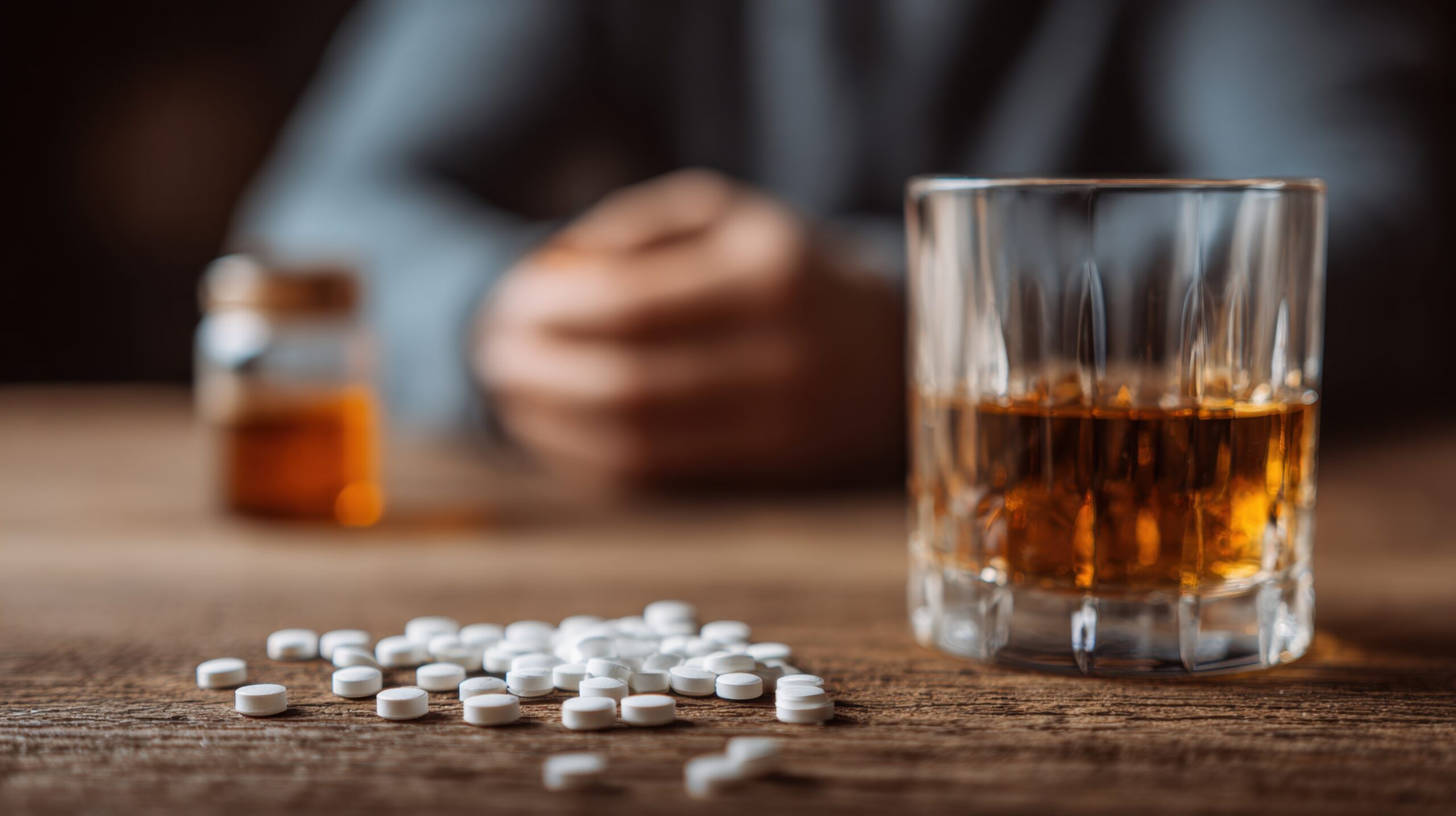
Using Trazodone and Alcohol as Coping Mechanisms: A Risky Habit
Life is stressful. Whether it’s from work, relationships, finances, or emotional pain. Many people turn to substances to take the edge off. But what starts as a quick fix can slowly turn into a dependency. If you’ve started using alcohol and trazodone for sleep, relaxation, or escape, it might be a sign of deeper issues.
Using any substance to avoid emotions or numb stress can lead to long-term consequences. Over time, your body and mind begin to rely on these substances to function. What used to be temporary relief can become a daily need.
Warning Signs You May Be at Risk From Using Trazodone and Alcohol Together
If you’re wondering whether your use of trazodone and alcohol has become a problem, here are some warning signs to watch for:
- You take trazodone and still drink, even if you’ve been warned not to
- You’ve increased your dose or drink more just to get the same effect
- You feel like you can’t sleep or relax without using both substances
- You hide your alcohol use or lie about how much you take
- You experience memory problems, fatigue, or mood swings
- You’ve had health scares or close calls, but continue the behavior
If any of these apply to you, you may be developing a substance use disorder. You are not alone, and there is help.
The Connection Between Sleep, Depression, and Substance Use
Many people struggling with sleep issues also deal with depression or anxiety. These conditions are closely connected. When sleep is disrupted, your moods can suffer. When mood suffers, the desire to self-medicate often increases. It’s a cycle that feeds itself.
Alcohol may help you fall asleep faster, but it disrupts the quality of your sleep. Over time, your body becomes dependent on it, and your sleep problems can worsen. Trazodone may help initially, but if used with alcohol, its benefits are reduced, and the risks increase.
How Trazodone and Alcohol Dependency Develop Over Time
At first, the trazodone and alcohol interaction may feel manageable. But with regular use, the body builds tolerance. You might find yourself needing more to achieve the same result or using both more often. This can lead to:
- Physical dependence: Your body struggles to function without the substances.
- Psychological dependence: You feel anxious or unable to cope without them.
- Withdrawal symptoms: If you stop, you may experience irritability, sweating, nausea, or trouble sleeping.
- Health complications: Liver damage, heart issues, or mental health crises can result.
When to Get Help for Trazodone and Alcohol Addiction
If your use of trazodone and alcohol has started affecting your health, relationships, job, or emotional well-being, it may be time to consider professional help. Treatment is not a sign of weakness. It’s a step toward reclaiming your life.
Madison Recovery Center understands the complexity of co-occurring substance use and mental health struggles. Many of our clients began using medications or alcohol to cope. We provide compassionate, evidence-based treatment that addresses the root causes—not just the symptoms.
Treatment Options at Madison Recovery Center
Madison Recovery Center fully understands how overwhelming it can feel to face challenges with sleep, mental health, and substance use. If you’ve been relying on trazodone and alcohol to cope, you’re not alone, and we’re here by your side to help.
Our team is here to listen without judgment and guide you toward a healthier path. Our detox and alcohol addiction treatment programs provide a supportive, caring environment where you can begin to understand what’s driving your behavior, learn new ways to cope, and take meaningful steps toward lasting change. Whether you’re just beginning to notice the warning signs or you’ve been struggling for some time, we’re ready to meet you where you are and walk with you toward recovery.
At Madison Recovery Center, healing isn’t just possible. It is within reach.
Break the Cycle of Trazodone and Alcohol Use: Get Help Today
If you’re using trazodone for sleep and alcohol to cope with life’s challenges, there is no shame in asking for help or undergoing our reputable prescription pill addiction treatment program. Many people feel stuck in the cycle of needing something to function. But with the right support, you can find a healthier way to live.
Madison Recovery Center is here to walk with you every step of the way. From managing trazodone and alcohol side effects to securing a solid after-care plan, our compassionate and skilled team can help you understand your options and take back control of your health and happiness.
Ready to talk? Call Madison Recovery Center today to learn more about our programs and how we can help you break free from the grip of trazodone and alcohol.
Treatment isn’t what you think it is.
If you’re navigating alcoholism, addiction, and co-occurring disorders, there is a solution. Reach out for a free, confidential conversation and we’ll answer any questions you have.
FAQs About Using Trazodone and Alcohol Together
Can trazodone make alcohol feel stronger?
Yes. Trazodone can amplify the effects of alcohol, making even small amounts feel much more intense. People often report feeling unusually dizzy, disoriented, or sedated when combining the two. This heightened effect increases the risk of falls, accidents, and poor decision-making.
How long should you wait to drink after taking trazodone?
There is no universally safe waiting period. Trazodone stays in your system for many hours, and drinking at any point during that time can still cause dangerous interactions. For this reason, medical professionals generally advise avoiding alcohol altogether while taking trazodone.
Can mixing trazodone and alcohol affect your heart?
Yes. Both substances can impact heart rhythm and blood pressure. When trazodone and alcohol are used together, they may increase the risk of irregular heartbeat, fainting, or sudden drops in blood pressure, especially in people with existing heart conditions.
Is it dangerous to stop trazodone suddenly if you also drink?
Stopping trazodone abruptly can lead to uncomfortable symptoms such as anxiety, agitation, headaches, and sleep disturbances. If alcohol use is also involved, these effects may feel more intense. It’s always best to speak with a healthcare provider before stopping or changing any medication.
Does trazodone interact differently with beer, wine, or liquor?
No. The type of alcohol doesn’t matter. Beer, wine, and spirits all contain ethanol, which interacts with trazodone in the same way. Even one drink can increase side effects.
What should I do if I accidentally mixed trazodone and alcohol?
If you feel unusually drowsy, confused, lightheaded, or have trouble breathing, seek medical help right away. For mild symptoms, avoid further alcohol, stay hydrated, and monitor how you feel, but always reach out to a healthcare professional if you’re unsure.
Recovery Starts Today
Madison Recovery Center is committed to supporting the Madison and surrounding communities with flexible, comprehensive outpatient treatment options for drug rehab. Remember, you don’t have to face this journey alone. Reach out for a free, confidential conversation today, and we’ll answer any questions you may have.
